Facebook Group ‘No More Silence’ Exposes Sexist Commenters
 Collected Image
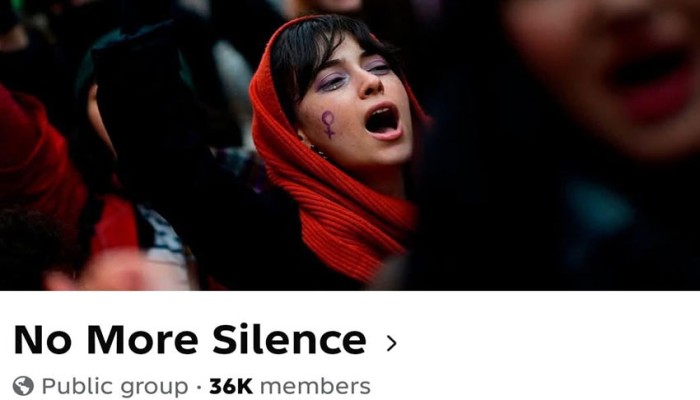
A Facebook group called ‘No More Silence’ has launched an unconventional initiative against obscene, misogynistic and sexually abusive comments targeting women on social media. The group publishes the photos, identities and Facebook profile links of people accused of harassing women in the comment sections of news reports and posts about widely discussed incidents.
The group claims to have exposed the identities of more than 100 individuals so far. In some cases, screenshots of the comments have also been sent to the individuals’ workplaces and educational institutions, prompting the authorities concerned to issue warnings.
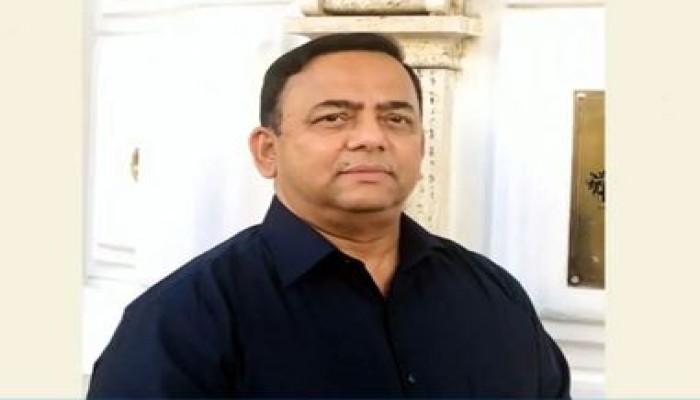
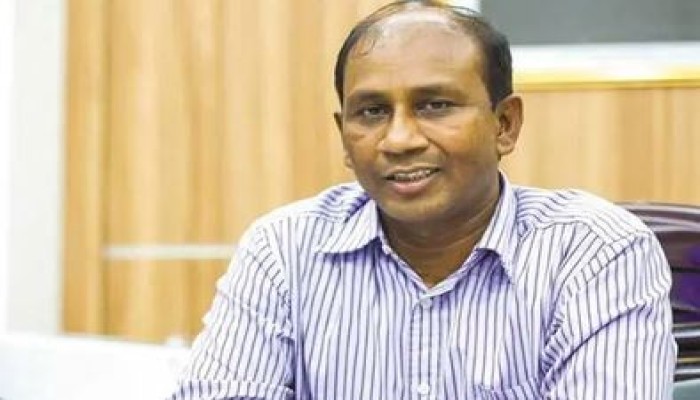
Launched on November 2 last year, the group currently has around 36,000 members. It was founded by writer and online activist Abir Ahmed Piyas.
Piyas said the group aims to draw attention to attempts to undermine people's dignity through offensive and hateful online comments. He believes that freedom of expression must go hand in hand with responsibility towards the dignity and safety of others.
How it started
The idea for the group emerged after reports of sexual harassment of women at a concert in Habiganj.
The concert, organised at Jalal Stadium to mark the silver jubilee of Brindaban Government College, drew attention after reports surfaced that women had been harassed at the event. Following the reports, a Facebook user posted a graphic description of such harassment in the comments section of a related post. Several users reacted to the comment with laughing emojis.
Piyas and his two associates were outraged by the incident. They felt that people who harass women should be held accountable not only for their actions but also for boasting about such behaviour or making light of it online. They subsequently established ‘No More Silence’.
One of the group's two moderators is Umme Suraiya Sumi, an entrepreneur associated with the clothing industry who holds a master's degree in political science. The other moderator, Zakia Hossain, is a second-year higher secondary student.
After the Facebook profile involved in the Habiganj incident was exposed, a statement from that account claimed that someone else had posted the comment after hacking the account following the loss of a mobile phone. The account also reportedly expressed regret and said that a written explanation and undertaking had been submitted to the officer-in-charge of Habiganj Sadar Model Police Station and the concert organisers.
Identities exposed over controversial incidents
The group regularly publishes screenshots of obscene comments targeting women in connection with widely discussed incidents.
On September 30, after reports emerged that a woman's body had been recovered from a hotel washroom in Cox's Bazar, the group published the photographs and identities of six individuals accused of posting obscene comments beneath a related news report.
Similarly, on January 15, the group exposed the identities of five individuals who allegedly made comments supporting rape in response to a report concerning the alleged gang rape of a passenger on a bus in Savar.
Warnings and apologies follow exposure
According to the group, the disclosure of individuals' identities has prompted warnings from their workplaces and educational institutions in several cases.
In one instance, a man posted a photograph of his daughter from the early days of her college life on Facebook, where it attracted obscene comments. After the group published one of the comments, the post gained wider attention, and the individual concerned later deactivated his Facebook account.
The group said it subsequently collected information about the person's workplace and educational institution and sent screenshots of the comment to the relevant authorities.
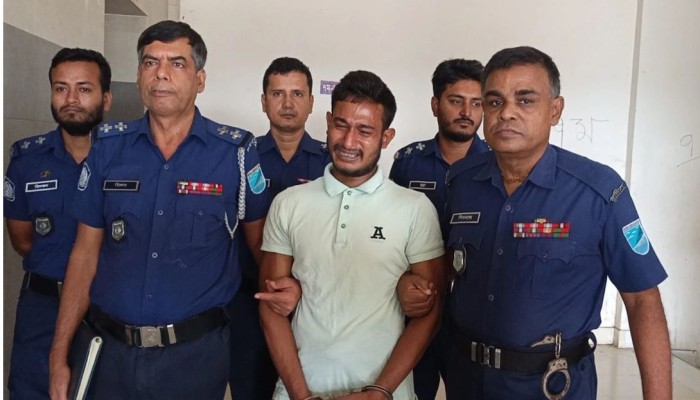
In another case, the group posted allegations that a young man in Faridpur had made videos featuring inappropriate behaviour towards his own sister. The group claimed that police later detained him and that he subsequently issued an apology on Facebook, pledging not to make such videos again.
In a separate incident, a second-year student of Jashore Medical College allegedly posted sexually violent comments targeting content creator Tumpa Maksuda and her mother beneath a post concerning a teenage boy who had been murdered in Cumilla.
After the group sent screenshots of the comments to the college authorities, the student was reportedly warned that a repeat offence could lead to a one-year suspension.
Risk of exposing the wrong person
While the initiative seeks to promote social accountability for online harassment, it also carries the risk of misidentifying individuals.
In one instance, a person who posted obscene comments beneath a news report about remarks made by the mother of a teenage girl in Cumilla identified himself as a salesperson at the Bishwarang showroom in Sunrise Plaza in the capital.
After the group published his identity, Bishwarang issued a statement saying that it had no employee by that name.
The incident highlights the importance of verifying information before publicly identifying alleged offenders. Without confirming whether a Facebook account genuinely belongs to the person named, there is a risk that an innocent individual could be harassed or suffer reputational damage if someone else has posted the comments using a fake account.
Legal provisions for punishment
Section 509 of the Penal Code makes it an offence to insult a woman's modesty through words, gestures or the exhibition of an object with the intention of violating her modesty. The provision carries a penalty of up to one year of simple imprisonment, a fine, or both.
Section 25 of the Cyber Security Act 2026 provides for punishment for certain harmful or threatening digital content and activities, including blackmail, sexual harassment, revenge pornography, digital child sexual abuse material and sextortion.
If such offences are committed against a woman or a child under the age of 18, the law provides for imprisonment of up to five years, a fine of up to Tk20 lakh, or both.

 Collected Image