By Nicholas Biswas
When a child goes missing, a family loses more than a child; it loses its sense of security, peace of mind and confidence in the future. We often see anxious parents carrying photographs of their children, moving from place to place, filing a General Diary (GD) at the police station, contacting relatives and sharing photographs on social media. But the question is: how quickly, effectively and safely can our system respond when a child goes missing? And who is responsible for protecting children from abduction, sexual abuse and exploitation?
Numbers Tell Only Part of the Story
A recent report stated that 15,717 children were reported missing in Bangladesh between January and July 2026. Of these, 13,679 had been recovered, while 2,038 remained missingby the first week of September 2026. These figures are certainly alarming. However, they need to be interpreted with caution. Police GDs represent reported cases only; the actual number of missing children may be higher or lower. Information may not always be updated, while some incidents may never be reported.
Not every missing-child case is the same. Some children may leave home because of family or social problems. Others may become victims of abduction, trafficking, sexual abuse or exploitation. Reports on human trafficking have highlighted the risks faced by children in Bangladesh.
Therefore, knowing only how many children have gone missing is not enough. We need to know why they are going missing, what happens to them afterwards, and how effectively we are prepared to bring them home safely.
Violence against children has become increasingly alarming. UNICEF and other international organisations have called for stronger child-protection systems, zero tolerance for violence and accountability for perpetrators.
A Missing Child Is Not an Ordinary Missing-Person Case
Children cannot always protect themselves. They can easily be lured, threatened or deceived into going somewhere. Children living in poverty, street-connected children, children with disabilities and those exposed to domestic violence are particularly vulnerable.
Every missing-child case should therefore be treated as an emergency. The first few hours are critical. Delays may allow perpetrators to move a child elsewhere, conceal their identity or facilitate trafficking.
Filing a GD should not be the police's final action; it should be the beginning of the response. After receiving a complaint, the child's age, photograph, clothing, last known location, contacts and other risk factors should be assessed immediately and a search initiated. Where legally permissible, phone and online activity should also be considered during the investigation.
A Family's Helplessness Must Not Remain Trapped in a File
When parents approach the police after their child goes missing, indifference, suspicion and unnecessary bureaucracy must be avoided. The relationship between the police and the family should be supportive, respectful and humane.
Every police station should have a trained child-protection focal point who can explain the complaint and search procedures, provide regular updates and, when necessary, connect families with social services, healthcare providers and child-protection organisations.
For helpless parents, the most important assurance is that someone is listening and actively working to find their child.
The Responsibility Does Not End When a Child Returns
When a missing child returns home, the family feels relieved. But the responsibility does not end there. Where was the child? Who were they with? Did they experience abuse, intimidation, coercion or exploitation?
These questions must be addressed in a child-friendly manner. Children should not be repeatedly questioned, frightened or blamed. A returned child may need medical care, counselling, legal assistance and safe reintegration. Without identifying the underlying risks, simply returning a child to the family could expose them to the same danger again.
Protection Must Begin at Home and School
Fear, shame and silence are major barriers to reporting child sexual abuse. Social stigma, humiliation, negative attitudes and fear of family dishonour often prevent families from speaking out. Sometimes the child is even blamed.
This culture must change. Children should be taught that no one has the right to frighten them, make them uncomfortable or put them in an unsafe situation. If someone threatens them, tries to lure them with gifts or asks them to keep something secret, they must tell a trusted adult. When children speak, adults must listen and take them seriously.
Schools and madrasas are not only places of education; they must also be safe spaces. Every institution should have an effective Child Safeguarding Policy, while teachers and staff should be trained to recognise signs of abuse, respond appropriately to complaints and protect children's confidentiality. Age-appropriate education on personal and online safety is also essential.
Technology Creates Risks, but It Can Also Help
An effective national information system for missing children could enable rapid information-sharing among the police and relevant agencies. Where legally permissible, CCTV footage, transport-related information and other technological tools could support investigations.
If a child goes missing in Dhaka, the information should not remain confined to one police station. Where there is a possibility that the child has been taken elsewhere, relevant units should be informed immediately.
Everyone Should Know Child Helpline 1098
Child Helpline 1098 is an important child-protection mechanism in Bangladesh. But how many parents and children, particularly in rural areas, know about it?
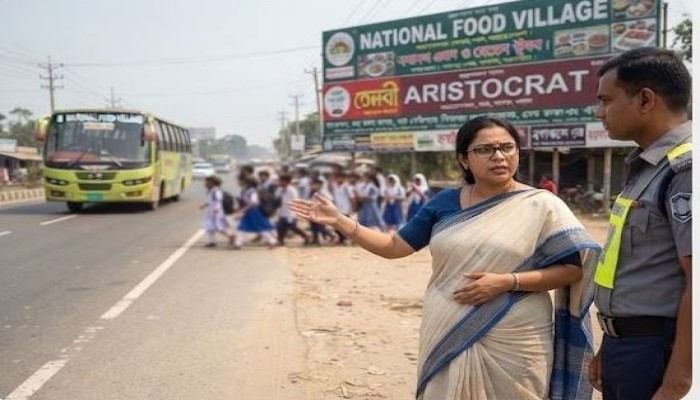
The 1098 number should be visibly promoted in schools, madrasas, hospitals, union parishads, bus terminals, railway stations and other public places. Children should receive one simple message: Do not remain silent in danger. Ask for help.
Child Protection Is Everyone's Responsibility
Child protection is not the responsibility of the police or the Department of Social Services alone. Families, educational institutions, local government, healthcare institutions, courts, NGOs, local communities and the media all have important roles to play.
Ensuring that every child can live, grow and learn in an environment that protects their safety and dignity requires urgent institutional action.
Community organisations can play an important role in identifying vulnerable children and connecting families with government and other services.
The media also has a special responsibility. When reporting on missing children, journalists must consider their safety, dignity and privacy. Information that could put a child at greater risk should not be disclosed.
The Goal Should Be Prevention
Finding a missing child is extremely important. But an even greater achievement would be to build a society where risks are identified and prevented before a child goes missing.
We need a society where children feel safe at home, are protected at school, know how to stay safe online and can speak about abuse without fear. When a child speaks out, we must see that child not as someone to blame, but as someone entitled to protection and support.
On the occasion of Children's Rights Day and the 50th anniversary of Bangladesh Shishu Academy, the Prime Minister stated in a message issued yesterday on 5 October that ensuring a safe and risk-free childhood, moral, modern and scientific education, healthcare, adequate nutrition, and opportunities for sports and cultural activities for every child is a firm commitment of the present government. This important message must be genuinely understood and implemented by the state machinery.
Child Safety Is a Right
Child safety is not a matter of charity or favour; it is a child's right. Therefore, when a child goes missing, we should not ask only, “Where is the child?” We must also ask, “Why did a situation arise in which the child became vulnerable to going missing?”
Our response must not be delayed. For a child, every minute matters. Finding a missing child is essential; but protecting the child is even more important. And that responsibility belongs to all of us.
Nicholas Biswas is a media freelancer and a United Nations Population Fund (UNFPA) Media Awardrecipient.He can be contacted: gonomaddzam@gmail.com