--Golam Mostafa Jibon--
Having been involved in writing since my student days, I always felt a natural pull toward the media. However, after completing my Master’s degree, I began my professional career as a Lecturer in Bengali at an MPO-enlisted college. Later, I applied for the position of district correspondent for one of the country’s leading English dailies. Out of many applicants, the newspaper authorities selected me because I was in the teaching profession. The management believed that a teacher, bound by professional ethics and values, would not engage in extortion or unethical practices under the guise of journalism. For this reason, they prioritized hiring teachers as district correspondent across the country.
At that time, the working dynamic was vastly different. Teachers would fulfill their institutional duties and, in their spare time, send news reports and photographs via post or courier. With gradual technological advancements, sending reports via telephone or fax became possible, allowing the previous day’s news to be published the following day. This process never hampered a teacher’s primary responsibilities in the classroom.
Today, however, the landscape has transformed completely. Over the years, salaries, allowances, and other benefits for teachers (across government, non-government, MPO, and non-MPO institutions) have increased significantly. Concurrently, new educational curricula and modern standards demand that teachers devote full time and complete focus to their respective institutions.
Yet, a deeply concerning trend has emerged recently: a growing number of teachers and staff members are actively engaging in journalism. Since there are no explicit legal provisions or administrative bans prohibiting teachers from practicing journalism, many justify their dual role by claiming they pursue reporting during off-hours. While there may be no explicit legal bar, every service comes with its own professional discipline and code of conduct—and teaching is no exception. Taking a regular salary and benefits from an educational institution while shirking core responsibilities cannot be justified under any circumstances.
One might ask: didn’t teachers engage in journalism in the past without hampering their work? The truth is that journalism back then was fundamentally different from what it is today. Present-day journalism is no longer limited to print; it spans electronic media, YouTube channels, IP TVs, online portals, and multimedia platforms. Today’s news landscape demands minute-by-minute updates. Beyond simply gathering information, field journalists are now expected to capture video footage, produce digital content, and host live broadcasts. As a result, a teacher-journalist is constantly forced to chase breaking news and rush to spot locations during working hours, directly undermining the quality of education provided to students.
The issue does not end there. In many instances, those holding dual roles prefer identifying themselves as ‘journalists’ rather than ‘teachers,’ as the journalistic tag currently carries greater influence in local administration and society. Exploiting this position, some teachers frequently arrive late, leave early, or remain absent from classes altogether. Institutional heads—often wary of media exposure or administrative harassment—hesitate to take disciplinary action. Should a courageous principal or headmaster attempt to enforce rules, they are frequently met with media smears, coordinated press attacks, and harassment. Consequently, educational institutions find themselves effectively held hostage, destroying the academic environment.
If teachers contribute to the media purely as columnists, analytical writers, or researchers, it is commendable. However, skipping classes to chase news with a camera, microphone, and motorcycle during working hours cannot be part of a healthy educational system. This trend is becoming particularly alarming in rural and district-level institutions.
To resolve this growing crisis, the Ministry of Education and relevant authorities must issue a clear and definitive policy directive. Teaching is a noble, full-time commitment. To protect the integrity of the education sector, the government should establish explicit regulations requiring individuals to choose one career path: either be a full-time teacher or a full-time journalist.
(Note: The author, Golam Mostafa Jibon, currently serves as the Editor of The Daily Sky and Consultant Editor of The Daily Industry. He retired from the teaching profession in 2014. editor.thedailysky@gmail.com)

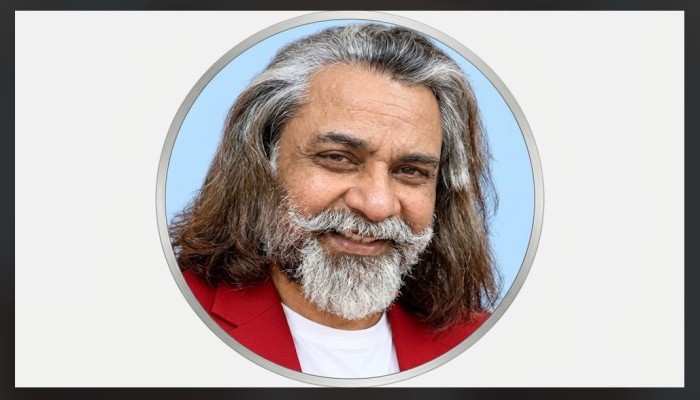 Writer Golam Mostafa Jibon