Burden of new pay scale
Govt borrows BDT 50b from banks to meet the demand
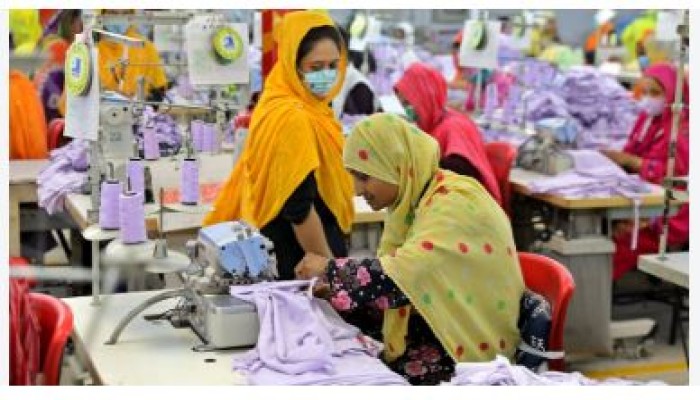
 Symbolic Image
DHAKA: The government is borrowing BDT 50 billion from the banking sector through a special 14-day treasury bill auction to cover the upcoming salary and arrear payments under the new pay scale.
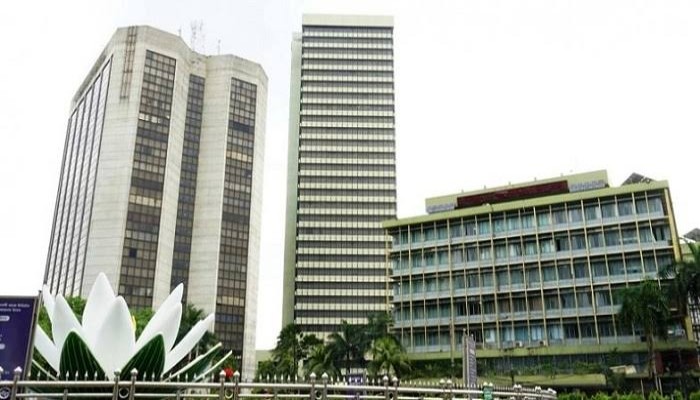
Bangladesh Bank scheduled the auction to meet rising fiscal demands. Government borrowing through treasury bills and bonds reached BDT 553 billion up to yesterday in October. This new auction pushes the total monthly borrowing to BDT 603 billion. The government previously borrowed BDT 560 billion in July, BDT 500 billion in August, and BDT 415 billion in September.
A central bank debt management official stated that additional funds are required to disburse wages and allowances for state employees under the revised pay structure. While the government typically issues 91-day, 182-day, and 364-day bills, it uses 14-day bills to cover temporary cash flow gaps between revenue receipts and public expenditures.
Not all funds raised through bill and bond auctions represent net borrowing. A major share goes toward repaying maturing past loans. Bangladesh Bank data shows the government's net bank borrowing stood at BDT 242.45 billion between July and September of the current fiscal year.
Rising interest rates on government loans
Growing state borrowing pressure has pushed treasury bill and bond yields upward. The yield on 91-day treasury bills rose from 8.13 per cent on October 5 to 8.55 per cent on October 26. Long-term bond yields have also increased.
This upward trend occurs despite a record surplus liquidity of BDT 4.42 trillion in the banking system as of August. Strong public sector credit demand continues to drive up yields despite the surplus cash.
Bangladesh Bank noted that falling short of revenue collection targets forces the government to rely more heavily on banks. The central bank meets these financing demands through treasury auctions. The government also plans to issue BDT 320 billion in sukuk bonds this fiscal year. Expanding long-term sukuk financing could reduce state dependence on the banking sector.
Revenue shortfalls fuel bank reliance
The national budget for fiscal year 2026-27 sets a target of borrowing BDT 1.12 trillion from banks. The government borrowed a record BDT 1.34 trillion from the sector in the previous fiscal year.
Meanwhile, the National Board of Revenue faced a revenue collection shortfall of BDT 25.49 billion in the first two months of the current fiscal year. Weak revenue growth forces the administration to rely on bank loans for routine expenditures.
The budget allocates BDT 1.31 trillion for government employee salaries, allowances, and pensions this fiscal year. Fully implementing the new pay structure could increase annual state expenses by about BDT 1.05 trillion, raising financial pressures in the months ahead.

 Symbolic Image