Iran defeated Trump in war and midterms
 Collected Image
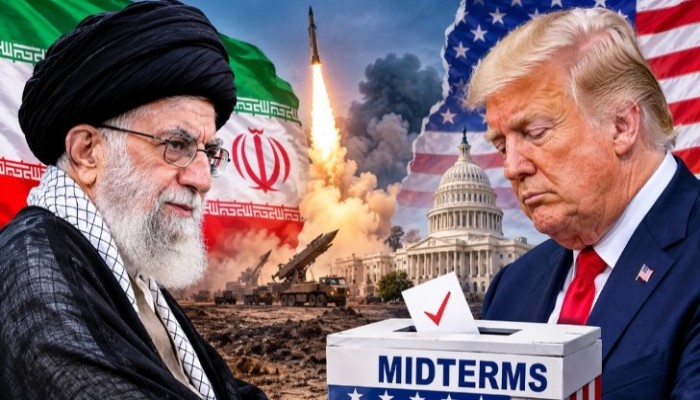
Iran has emerged as a major political challenge for US President Donald Trump, as the prolonged war with Tehran has contributed to a sweeping Republican defeat in the November 3 midterm elections, raising questions about Washington’s military strategy and the political costs of the conflict.
The US midterm elections delivered a significant setback for Trump, with Democrats winning control of both the House of Representatives and the Senate. The outcome marked a major shift in the balance of power in Washington and could complicate the president’s domestic and foreign policy agenda during the remaining two years of his term.
The war with Iran has become one of the central issues surrounding the political setback. Rising energy prices, economic uncertainty and public opposition to the prolonged conflict have placed additional pressure on the Trump administration.
According to Reuters, Trump acknowledged that the war with Iran had played a role in the Republican losses. However, he defended his decision to launch the military campaign, saying he had done the right thing and would make the same decision again.
A costly military confrontation
The conflict, which began with US-Israeli military operations against Iran in February 2026, has developed into a prolonged regional confrontation. Despite sustained military pressure, Tehran has continued to resist, while attacks and counterattacks have raised security concerns across the Middle East.
Iran's ability to withstand military pressure and maintain leverage over the strategically important Strait of Hormuz has complicated Washington's efforts to secure a decisive outcome.
An Associated Press analysis of satellite imagery found that more than 115 Iranian or Iran-backed drone and missile strikes had damaged or destroyed structures at 26 US military bases and sites across the Middle East through August. The findings highlighted the scale of the security challenges facing American forces in the region.
The economic consequences have also extended beyond the battlefield. Disruptions to energy supplies and shipping routes have contributed to higher fuel prices, putting additional pressure on households and businesses.
The political cost at home
For Trump, the consequences of the war have become increasingly difficult to separate from domestic politics.
American voters entered the midterm elections concerned about inflation, living costs and the administration's priorities. The conflict added to those concerns as higher energy costs affected household budgets.
A University of Massachusetts Amherst poll published in August found that more than two-thirds of respondents disapproved of Trump's handling of the Iran war. Nearly as many expressed concern about his overall performance as president.
Democratic candidates used public dissatisfaction with the war and rising costs to challenge Republican candidates. The election results subsequently gave Democrats control of both chambers of Congress, creating a new political challenge for the White House.
Iranian officials have welcomed the Republican defeat, portraying the election results as evidence of growing American opposition to the war. Iran's chief negotiator said the outcome reflected public rejection of the conflict and frustration over the rising cost of living, according to CBS News.
Tehran gains political leverage
The election outcome could provide Iran with additional diplomatic leverage. A Democratic-controlled Congress may seek greater oversight of the administration's military decisions, question further military spending and increase pressure for a diplomatic solution.
However, a change in congressional control does not automatically mean Washington will end its confrontation with Tehran. The president retains considerable authority over foreign policy and military operations, although congressional control over funding and legislation could constrain his options.
For Iran, the political consequences in Washington may be as significant as developments on the battlefield. Tehran can point to the election results as evidence that a prolonged military confrontation carries domestic political costs for its adversary.
A setback, not necessarily a military victory
Despite the political implications, declaring Iran the outright military victor would be premature. The conflict's final strategic outcome remains uncertain, and both sides continue to face military, economic and diplomatic challenges.
Nevertheless, the combination of Iran's continued resistance and the Republican defeat has created a difficult situation for Trump. His administration must now deal with a divided political environment at home while managing an unresolved conflict abroad.
The midterm results also demonstrate how foreign policy decisions can influence domestic politics, particularly when military conflicts affect energy prices, economic stability and public confidence.
Ultimately, Iran may have gained a political advantage from the consequences of the war, but whether that advantage translates into a lasting strategic victory will depend on the future of negotiations, regional security and Washington's ability to achieve its stated objectives.

 Collected Image