WB provides $300m for BD Pry Edu sector
 Symbolic Image
The World Bank has approved a 300 million USD loan to support Bangladesh in enhancing the quality of primary education and addressing learning deficits among school children.
The financing, approved by the World Bank Board of Executive Directors on Friday (November 6) under the 'Learning Enhancement and Acceleration in Primary Education Program', will fund initiatives aimed at improving learning outcomes for 26 million children from pre-primary to fifth grade across the country.
According to a press statement from the World Bank, the project will support the implementation of Bangladesh's fifth Primary Education Development Program (PEDP5). The initiative focuses on foundational reading, writing, and mathematics skills, with targeted interventions for underperforming students, teacher training, and school management capacity building.
While Bangladesh has achieved near-universal access to primary education, learning quality remains a major challenge. World Bank data indicates that nearly 50 percent of 10-year-old children in Bangladesh cannot read or comprehend a age-appropriate simple text, compared to 42 percent in Malaysia and 47 percent in Brazil.
"A quality primary education is the foundation for building a globally competitive workforce," said Jean Pesme, World Bank Country Director for Bangladesh and Bhutan. "This new financing will help ensure that children learn better, stay in school, and build the skills needed for better employment opportunities in the future."
The program will introduce structured learning packages—including specialized instructional materials, lesson plans, and teacher training—to strengthen foundational literacy and numeracy. Additionally, headteachers from 90 percent of government primary schools will receive leadership and management training to strengthen institutional governance.
Remedial learning programs will be provided for students falling behind, with heightened focus on geographically disadvantaged districts.
"Strong foundational skills are essential for future employability," noted World Bank Senior Education Specialist and Task Team Leader Tasmina Rahman, emphasizing that the program aims to ensure no child is left behind while improving financial accountability and data-driven decision-making.
The World Bank projects that the program will support the creation of approximately 8,43,000 new, higher-paying employment opportunities in government primary schools.
Financed through the World Bank’s International Development Association (IDA), the loan carries a maturity period of 25 years, including a five-year grace period.

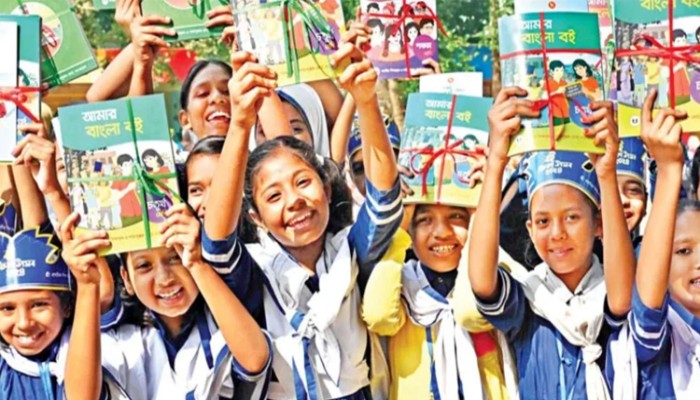 Symbolic Image