World Bank
Bangladesh’s dev spending hit hard by revenue shortfall
 Symbolic Image
Bangladesh’s weak revenue mobilisation and rising recurrent expenditure are increasingly squeezing public investment, threatening spending on critical infrastructure and human development, according to the World Bank.
In its latest Bangladesh Public Finance Review 2026, released in Dhaka on Wednesday, the global lender said the country’s tax revenue stood at just 6.8 per cent of gross domestic product (GDP) in FY2025, while total revenue accounted for only 8 per cent of GDP — less than half the level recorded in comparable countries.
The report warned that the government’s narrow revenue base, coupled with mounting interest payments and rising energy subsidies, was leaving increasingly little fiscal space for development expenditure.
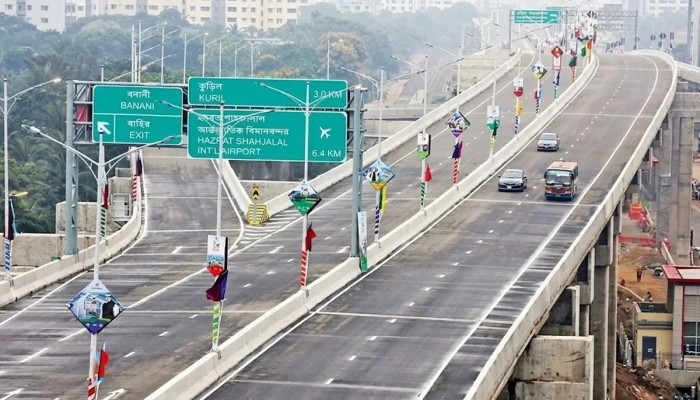
The pressure is already evident in public investment. Capital expenditure declined from 4.9 per cent of GDP in FY2022 to just 2.8 per cent in FY2025, reflecting the growing constraints on the government's ability to finance development projects.
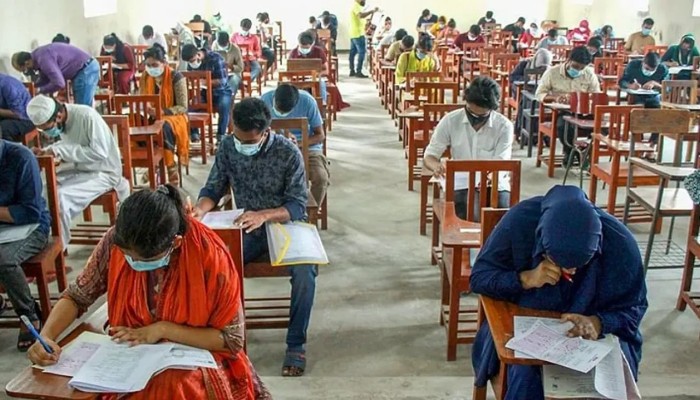
The World Bank also raised concerns over Bangladesh’s failure to generate enough quality employment opportunities for its expanding young workforce.
According to the report, three out of every five working-age women remain outside the labour force, while 84 per cent of employed people work in informal jobs, highlighting persistent weaknesses in the country's labour market.
It attributed the slowdown in job creation partly to chronic underinvestment in skills development, infrastructure and reliable energy supplies, which has constrained private sector growth and weakened its capacity to generate productive employment.
However, the report suggested that comprehensive fiscal reforms could significantly improve the country's economic prospects.
It said effective implementation of reforms in tax administration, public expenditure management and energy pricing could increase government revenue to 14.4 per cent of GDP by FY2035.
Such reforms could also raise average annual economic growth to 5.7 per cent during FY2027-35, compared with 4.2 per cent under the baseline scenario.
The World Bank, however, cautioned against pursuing fiscal reforms at the expense of low-income households. It recommended replacing broad-based subsidies with targeted cash transfers and other support measures to ensure that vulnerable populations remain protected.
The report underscored the need to strengthen revenue mobilisation, improve public spending efficiency and create greater fiscal space to sustain development investment and generate employment.


 Symbolic Image