Govt plans to introduce 3,000 e-buses on Dhaka roads
 Collected Image
The government plans to introduce 3,000 electric buses in phases to bring discipline to Dhaka's public transport system, improve passenger services and reduce air pollution.
Initially, the buses will be operated under government management through the Bangladesh Road Transport Corporation (BRTC). Private bus operators are also expected to be brought under the new system at a later stage, reports BSS.
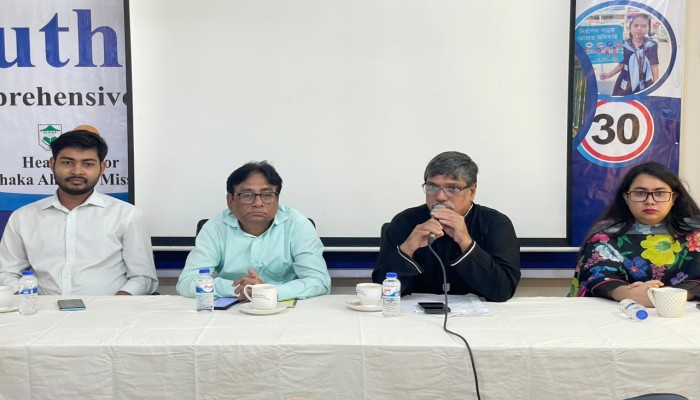
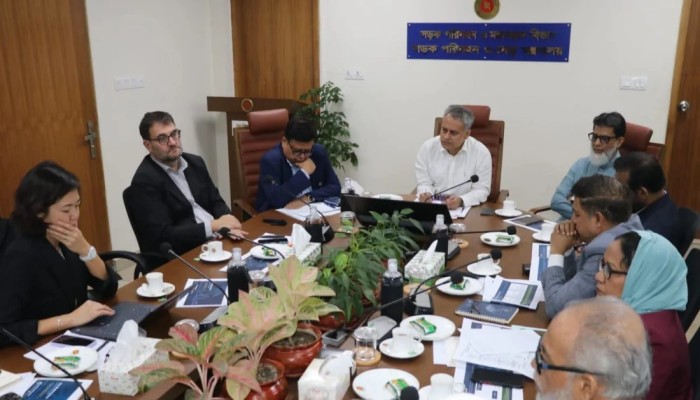
The plan was announced at a discussion meeting held at the conference room of the Ministry of Road Transport and Bridges on Tuesday (November 24) under the World Bank-supported Bangladesh Clean Air Project (BCAP).
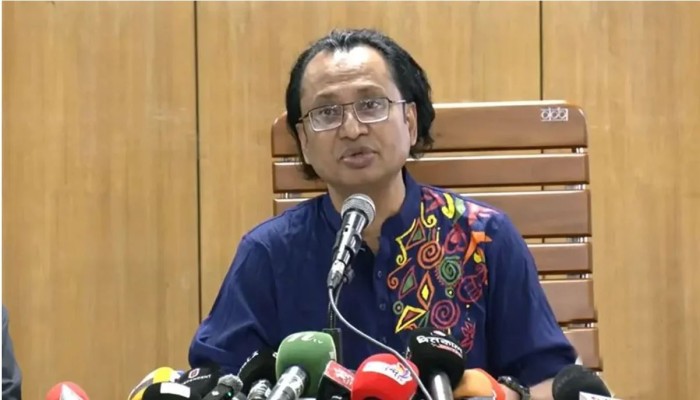
The meeting focused on reforms in Dhaka's public transport system and the implementation of a gross-cost model. Road Transport and Bridges, Railways and Shipping Minister Sheikh Robiul Alam chaired the meeting.
The minister said the initiative to introduce 3,000 electric buses in phases was aimed at making public transport in Dhaka modern, safe, affordable and passenger-friendly.
He said the initial operations would be managed by BRTC, while necessary support would be provided to bring private bus owners under the new system.
Merely increasing the number of buses would not resolve the capital's transport problems, the minister said, stressing the need for structural changes in the existing operating system.
He said a coordinated, planned and accountable public transport system required the involvement of all relevant stakeholders. The proposed reforms could take two to three years to implement, with support from the World Bank.
Gross-cost model to change bus operations
A key component of the proposed reforms is the introduction of a gross-cost model. Under this system, bus operations would be based on a tripartite agreement among the Dhaka Transport Coordination Authority (DTCA), bus operators and vehicle suppliers, replacing the existing route-permit-based arrangement.
Under the current system, the income of bus owners and transport companies largely depends on passenger numbers and fare collection. This encourages competition among buses operating on the same routes to pick up more passengers.
Such competition often leads to violations of schedules, stopping at unauthorised locations and disputes over picking up passengers first, creating disorder on the roads.
Under the proposed model, fares collected from passengers would not go directly to bus operators. Instead, the fares would be collected through the relevant authority.
Operators would receive a fixed payment for each kilometre travelled while maintaining the prescribed schedules and service standards. In other words, payments would depend on the distance covered in compliance with operating requirements rather than the number of passengers carried.
Officials concerned believe the system could reduce unhealthy competition among buses, improve schedule compliance, ensure greater transparency in fare management and strengthen central monitoring and accountability.
Electric buses to reduce transport emissions
Reducing pollution from the transport sector is another key objective of the plan. Replacing fuel-powered buses with electric vehicles could reduce direct exhaust emissions from public transport.
However, successful implementation will require adequate charging stations, maintenance facilities and skilled manpower.
A large number of people in Dhaka depend on public transport every day to commute to workplaces, educational institutions and other destinations. Unregulated bus operations, allegations of excessive fares, traffic congestion and misconduct towards passengers have remained longstanding concerns.
The proposed reforms are expected to address these problems while improving travel safety for women, children, elderly people and passengers with disabilities.
However, procuring 3,000 buses, arranging financing, developing charging infrastructure, reorganising routes and bringing private transport operators under the new system could pose major implementation challenges.
State Minister Habib Ur Rashid Habib, Road Transport and Highways Division Secretary Md Ziaul Haque, World Bank Division Director for Bangladesh and Bhutan Jean Pesme and other relevant officials attended the meeting.


 Collected Image