‘They are not human, but monsters’: Chief prosecutor recounts Ziaul’s brutality

Bodies were mutilated after the killings to prevent them from floating to the surface of rivers. The perpetrators would cut open the victims’ stomachs and remove their intestines. Bags filled with cement were then tied around their necks and legs. To muffle the sound of gunshots, pillows were pressed against their heads and ears before the bodies were taken by boat to deep waters and dumped.
In one such killing, one person would fire the shot while another would ensure that the victim’s abdomen was cut open and the intestines removed.
Shocking accounts of such killings, allegedly carried out under the cover of state forces, emerged during the prosecution’s closing arguments in the crimes against humanity case against former army officer Major General (retd) Ziaul Ahsan.
The prosecution alleged that the killings were systematic, premeditated and carried out under his direction. Details presented before the tribunal on Tuesday, based on witness testimonies in the case over the alleged enforced disappearance and killing of more than 100 people, revealed a chilling picture of alleged extrajudicial executions.
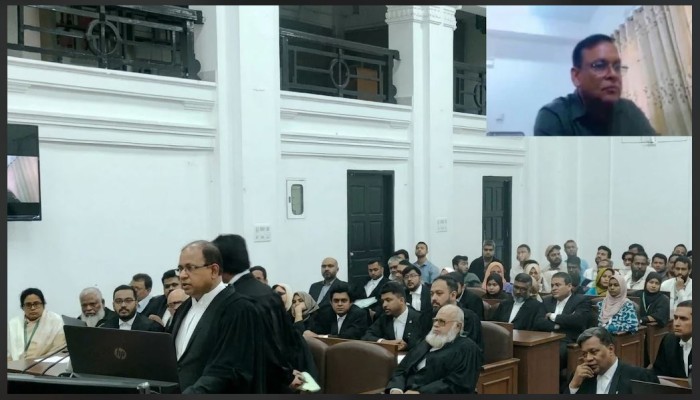
The prosecution began presenting its closing arguments on Tuesday (November 24) in the case accusing Ziaul of enforced disappearances and killings during the Awami League government.
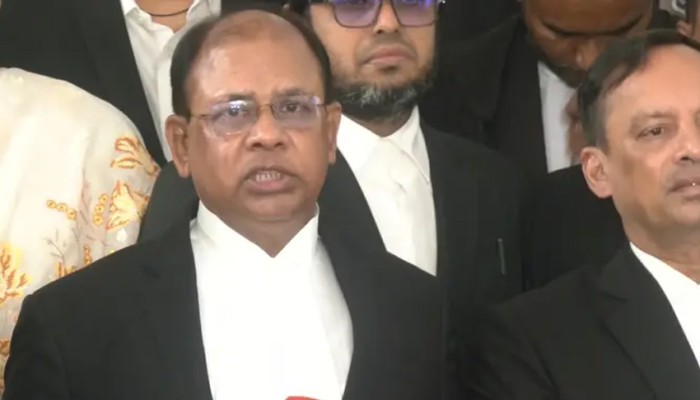
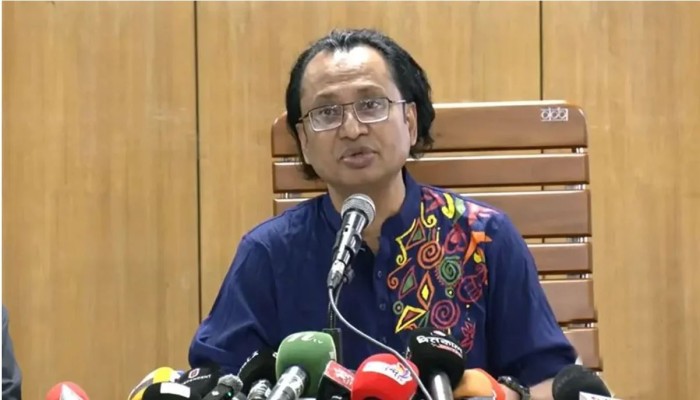
Chief Prosecutor Md Aminul Islam recounted the alleged killings before International Crimes Tribunal-1. He said Ziaul Ahsan used pillows during the executions to prevent blood from splashing onto his body. While one person fired the gun, another cut open the victims’ stomachs and removed their intestines, he added.
The chief prosecutor began his arguments shortly after 11:15am before the three-member judicial panel of Tribunal-1, headed by Chairman Justice Md Golam Mortuza Mozumder. The other members were Justice Md Shafiul Alam Mahmud and Judge Md Mohitul Haque Enam Chowdhury.
At the outset, Aminul Islam outlined the sequence of events in the case. He then read out the testimony of Ziaul Ahsan’s bodyguard Imrul Kayes and the deposition of Major (retd) Sabbir Rahman Osmani, the 13th prosecution witness.
Describing the brutality of the alleged killings, the chief prosecutor told the tribunal: “My Lord, my body shudders when I recount these incidents. The level of brutality was unimaginable. Can they be called human? They are monsters, ferocious. These accounts give an idea of how brutal Ziaul Ahsan was.”
Victims taken by boat and killed
On September 17, Major (retd) Sabbir Rahman Osmani, the 13th prosecution witness, testified before the tribunal about alleged extrajudicial killings in Patharghata, Barguna, and the Sundarbans between May 2010 and 2012, when he was serving in the Rapid Action Battalion (RAB).
The former army officer referred to the alleged leadership and instructions of then RAB intelligence wing director Lieutenant Colonel Ziaul Ahsan in those operations.
According to Sabbir Rahman’s testimony, one night around January 2010, Ziaul Ahsan arrived at the Barishal Battalion headquarters in an official vehicle accompanied by a microbus. He took Sabbir with him to Char Duani Ghat in Patharghata.
Members of RAB’s Intelligence Wing had already prepared a trawler at the ghat. The team members, who had arrived from Dhaka, got out of the microbus and boarded the vessel. A man with his hands tied and a black hood over his head was also kept in the hold of the trawler.
According to the witness, the trawler headed towards the estuary from the Char Duani canal on Ziaul Ahsan’s instructions. After travelling for about three hours, Ziaul ordered the man to be brought out of the hold.
Four RAB members then tied two cement-filled bags around the man’s neck and legs. A small pillow was placed against his head and ears before he was shot with a pistol. His abdomen was subsequently cut open.
Sabbir further testified that a RAB member inserted his hand into the victim’s abdomen to ensure that it had been cut open properly.
Ziaul then instructed the trawler to slow down, taking into account the water depth and the tidal conditions. Four members of the Intelligence Wing were subsequently ordered to dump the body, along with the cement-filled bags, into the water, according to the testimony.
After the killing, the team headed towards Barishal from Char Duani in a jeep and a microbus.
During the journey, Ziaul reportedly said: “They are harmful to the state. It is better that they do not exist. This is how they have to be ‘golfed’.”
Body identified as former BGB member Nazrul
Sabbir Rahman Osmani also described another similar killing around May 2010, in which he said four people were killed.
According to his testimony, two to three months after the incident, he learned through intelligence information that DNA testing had identified a body recovered with its abdomen cut open. The victim was identified as Nazrul Islam, a former member of the Border Guard Bangladesh (BGB).
The testimony also referred to Alkas, the boatman of the trawler allegedly used in the killings.
Sabbir said that in June 2011, Ziaul Ahsan called him and said Alkas had been sharing information about the ‘golf operation’ at Char Duani Bazar, creating security risks for RAB. Ziaul subsequently instructed that the boatman be ‘eliminated’, according to the witness.
Similar operations in the Sundarbans
Sabbir also testified that similar operations were conducted in the Sundarbans.
According to his account, he witnessed three so-called ‘encounter’ operations in the forest region planned and directed by Ziaul Ahsan.
He said he had applied for voluntary retirement after suffering psychological distress over the incidents and receiving no remedy. After completing 18 years of service, he left RAB and returned to his parent force.
Accused joins tribunal proceedings virtually
Attorney General Barrister Md Ruhul Quddus Kazal, former chief prosecutor of the International Crimes Tribunal Mohammad Tajul Islam, prosecutors Mizanul Islam, Gazi MH Tamim, Shaikh Mahdi, Tasmirul Islam and Abdus Sattar Palowan, along with other prosecution lawyers, were present during the first day of closing arguments.
Family members of the victims were also present.
For security reasons, the sole accused in the case, Major General (retd) Ziaul Ahsan, joined the tribunal proceedings virtually instead of appearing in person.
His defence lawyers, Shahidur Rahman and Naznin Nahar, were present in court.