Murder, suicide or accident?
Tahsif’s death mystery remains unexplained even after a month
 Collected Image
A month after the body of former Bangladesh Air Force officer KM Tahsif Sauri was recovered from the Turag River, the circumstances surrounding his death remain unclear. The river police are investigating three possibilities—murder, suicide and accident—but have yet to establish what happened. Investigators are also waiting for the full autopsy report.
Investigators are retracing Tahsif’s movements after he left home, trying to establish where he went, whom he met and what happened near the river shortly before his death. They have so far recorded statements and taken testimony from at least 40 people. Four locations have emerged as particularly important: his Uttara residence, a hotel, a bar and the Tongi Mazar Road slum area beside the Turag River.
The police are examining CCTV footage, videos supplied by individuals and statements from people connected to those locations. However, investigators say some information remains incomplete and requires further verification.
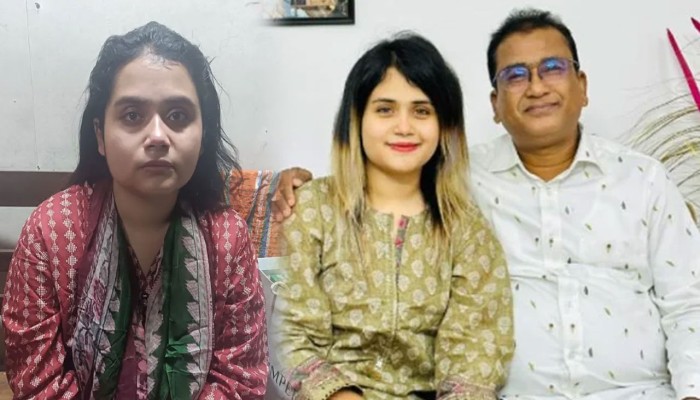
Tahsif’s father, AKM Enayetul Karim, filed a murder case over his son’s death. His friend-like younger acquaintance, Ahmed Shahriar Dwip, 23, and a young woman known to Tahsif have been arrested in connection with the case and are now in jail. Their alleged involvement, however, has not been established.
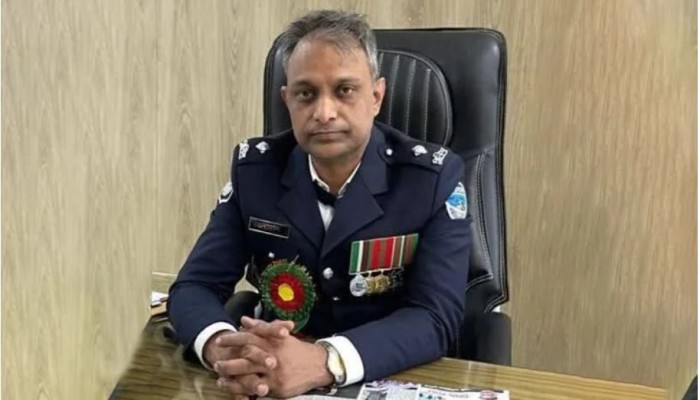
River Police chief and Additional Inspector General Md Rezaul Karim said investigators were considering all three possibilities.
“The investigation is proceeding from three angles—murder, suicide and accident. Once all the questions have been answered, we will disclose the findings at a press conference and then submit the police report to the court,” he said.
Police retrace movements across four locations
According to sources involved in the investigation, Tahsif left the ground floor of his residence at the Rajuk Uttara Apartment Project in Sector 18 on October 27 on a motorcycle with Dwip.
He later went to a bar in Uttara’s Sector 13 with a young woman known to him. Dwip was also with them.
Investigators say Tahsif and the woman had a disagreement at the bar. About an hour later, they left. Tahsif dropped the woman in front of her residence on his motorcycle before heading to the Tongi Mazar Road slum area with Dwip.
During questioning, Dwip told police that they saw two people wearing police uniforms in the area and ran in different directions. He claimed that he hid near a pillar of the Bangladesh Inland Water Transport Authority (BIWTA) beside the Turag River.
According to Dwip’s account, the two police personnel later questioned him. After he told them that he had come there with Tahsif, they allowed him to leave. He claimed he did not see Tahsif again.
However, the timeline of events that night has drawn investigators’ attention. At 1:35am, Tahsif sent a voice message to his mother’s mobile phone, saying, “I am coming; I have set off.”
Four minutes later, at 1:39am, Dwip called the caretaker of their rented residence in Mohammadpur and said he would be late. He returned home at around 2:30am.
The river police have collected CCTV footage and other information relating to that night. Several individuals have also handed over videos showing people moving around the Tongi Mazar Road slum area. Investigators are checking the authenticity of the footage and comparing it with the accounts of those concerned.
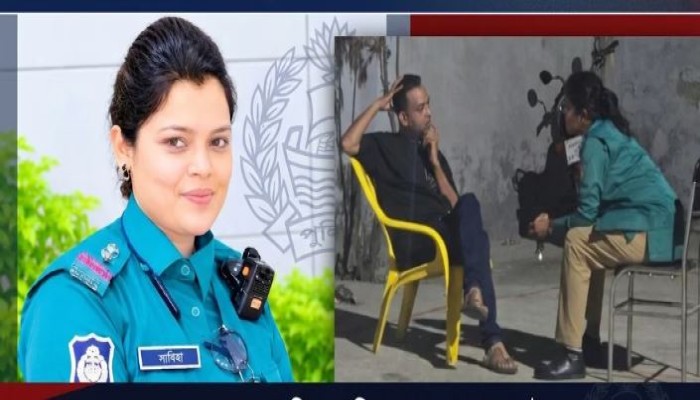
A source familiar with the investigation said an eight-member police patrol team was on duty in the area at the time. Members of the team have also been questioned as part of the investigation.
Full autopsy report still awaited
On the afternoon of October 28, the river police received information through the national emergency helpline 999 that an unidentified body was floating in the Turag River near Rajbari Ghat under Uttarkhan Police Station.
The body was recovered and initially recorded as unidentified. His identity was later established through an iPhone found in the pocket of his pyjama. He was KM Tahsif Sauri, 28, a former flight lieutenant of the Bangladesh Air Force.
Two days after the body was recovered, Tahsif’s father filed a murder case at Uttarkhan Police Station on the night of October 30. No individual was named as an accused in the case.
The river police subsequently took charge of the investigation. Before that, the Police Bureau of Investigation (PBI) had conducted a shadow investigation. Dwip was taken into custody by the PBI, and information provided by him led to the recovery of Tahsif’s motorcycle from the Tongi Mazar Road slum area.
An inquest report was prepared after the recovery of the body. It stated that no visible injury marks were found on Tahsif’s body. An autopsy was later conducted at Shaheed Suhrawardy Medical College Hospital.
Nashat Jabin, assistant professor of forensic medicine at the medical college, said samples from Tahsif’s stomach, liver, kidneys and blood had been sent to a laboratory for tests. The full autopsy report would be prepared after the test results were received, she said, adding that the cause of death could then be determined.
Abdullah Al Mamun, superintendent of police of the Dhaka region of the River Police and the officer supervising the investigation, said the autopsy report had not yet reached them.
Investigators consider the autopsy report important in determining the cause of death. However, they say the investigation will not rely on the medical findings alone. Tahsif’s movements before and after his death, statements from people connected to the case and other circumstantial evidence are also being examined.
Media reports and social media statements under scrutiny
The River Police are also reviewing news reports, statements posted on social media and discussions on television talk shows concerning Tahsif’s death.
A senior River Police official involved in the investigation, speaking on condition of anonymity, said some information published in the media could be useful to investigators. Statements made by several participants in television discussions had suggested that they might have additional information about the incident.
The official said investigators had contacted some of them but had not received responses. The information and statements are being verified, he added.
Three possibilities remain open
In the murder case filed by Tahsif’s father, the allegation is that his son was killed and his body dumped in the river. However, sources involved in the investigation say the evidence gathered so far is insufficient to reach a definitive conclusion either confirming or ruling out murder.
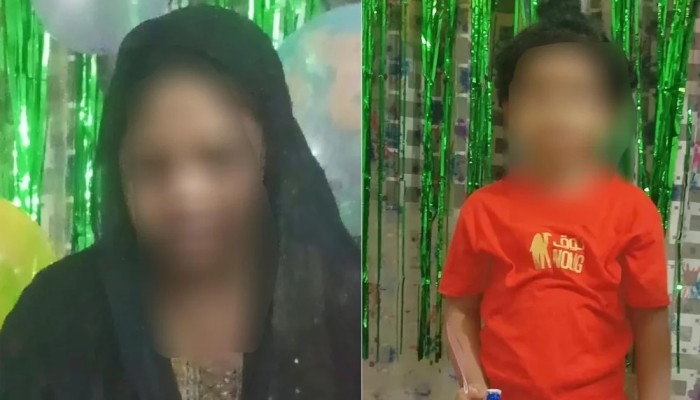
Dwip and the young woman were arrested and shown as accused in the murder case. Both are currently in jail, but their alleged involvement remains subject to investigation and proof.
Investigators say they do not want to reach a conclusion based on any single statement or piece of information. Instead, they are comparing the accounts of those questioned with the timeline, video footage and other circumstantial evidence to identify any inconsistencies.
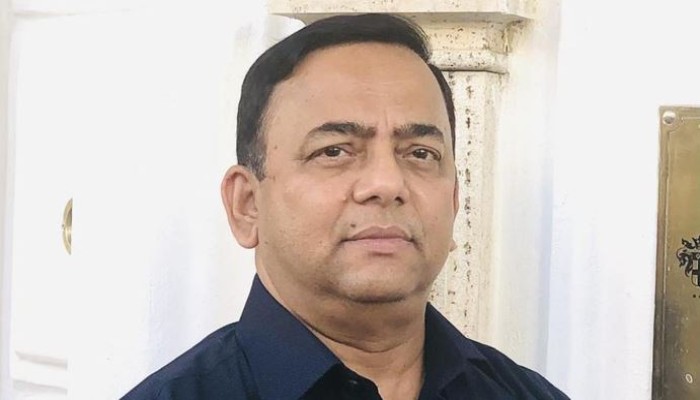
Tahsif’s father, AKM Enayetul Karim, said he and his wife had been devastated by their son’s death. He believes Tahsif was murdered, but said he did not know whether Dwip or the young woman now in jail had any involvement. He also complained that investigators had not informed him of the progress of the case.
Enayetul Karim said he would have preferred the case to be investigated by the Criminal Investigation Department (CID) or the PBI. He expects an impartial investigation to establish how his son died and identify those responsible.
Despite the collection of statements, videos and other circumstantial evidence over the past month, the central question remains unanswered: how did Tahsif die? Investigators are now awaiting the full autopsy report and further verification of the evidence to establish the circumstances surrounding his death.


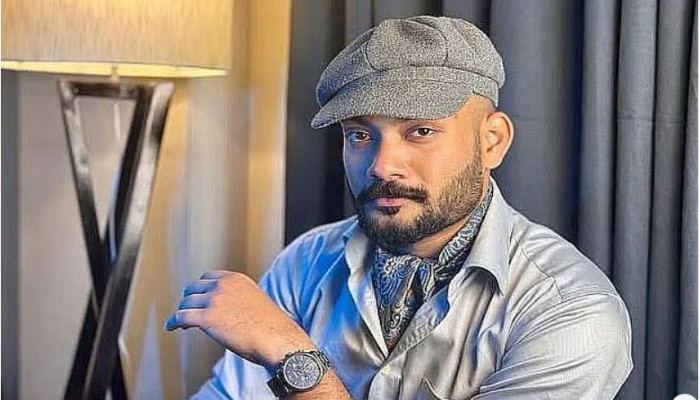 Collected Image