Temperatures falling, winter may intensify in December
 ছবি: সংগৃহীত
Temperatures have gradually started falling in Dhaka and other parts of Bangladesh, bringing a growing chill, particularly at night and in the early morning. Winter has begun to make its presence felt in the northern region and elsewhere in the country, with colder conditions likely to intensify in early December.
According to the Bangladesh Meteorological Department (BMD), temperatures across the country may remain largely unchanged until Sunday, with dry weather and partly cloudy skies expected. Both daytime and nighttime temperatures may drop slightly from Monday.
Typically, the onset of winter is felt from mid-September, becoming more noticeable by November. The cold intensifies in December and January before gradually easing in February. However, the seasonal pattern has been changing in recent years, with winter arriving later and average temperatures during the season rising.
Meteorologist Dr Abul Kalam Mallik of the Bangladesh Meteorological Department told The Daily Sky that temperatures below 25 degrees Celsius are generally associated with winter conditions. In recent years, the winter season has effectively begun in November. He said the impact of El Niño may mean that the country experiences a relatively mild winter this year.
“Even if cold waves occur, they may last only for a few days. Overall, the forecast suggests a relatively warmer winter or less severe cold this season,” he said.
On Friday, the country's lowest temperature was recorded at 14.5 degrees Celsius in Tetulia, Panchagarh, while the highest was 31.5 degrees Celsius in Sandwip, Chattogram.
Dhaka's minimum temperature has dropped by more than 3.5 degrees Celsius in three days. The city's lowest temperature was 22 degrees Celsius on Tuesday, falling to 18.5 degrees on Friday. The downward trend in temperatures in late November signals the gradual arrival of winter, with the chill being more pronounced in the northern region.
According to the BMD's classification, cold waves are categorised into four levels based on minimum temperatures. A mild cold wave occurs when temperatures range from 8.1 to 9.9 degrees Celsius, a moderate cold wave from 6.1 to 8 degrees, a severe cold wave from 4.1 to 6 degrees, and an extreme cold wave when temperatures drop to 4 degrees or below. The cold is generally felt more intensely during moderate to severe cold waves.
The BMD's three-month outlook for November through January indicates that Bangladesh may experience eight to 10 mild cold waves during the period. Of these, two to three may intensify into moderate cold waves, while one could develop into a severe cold wave. Daytime and nighttime temperatures may remain above normal throughout the three-month period.
Meteorologist Dr Muhammad Bazlur Rashid said the Siberian high-pressure system and northwesterly winds play significant roles in determining the intensity of winter in Bangladesh.
During winter, as the sun remains in the Southern Hemisphere, atmospheric pressure rises over Siberia and the Himalayan region. As a result, cold and dry air moves into Bangladesh from the north and northwest through the Himalayan foothills. The stronger and less obstructed the airflow, the greater the likelihood of colder conditions and cold waves, he explained.
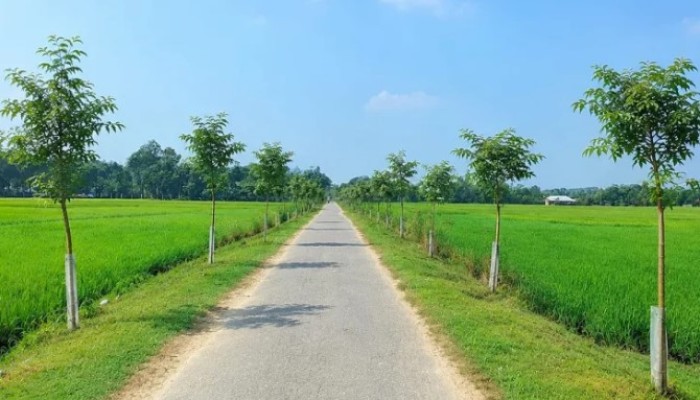
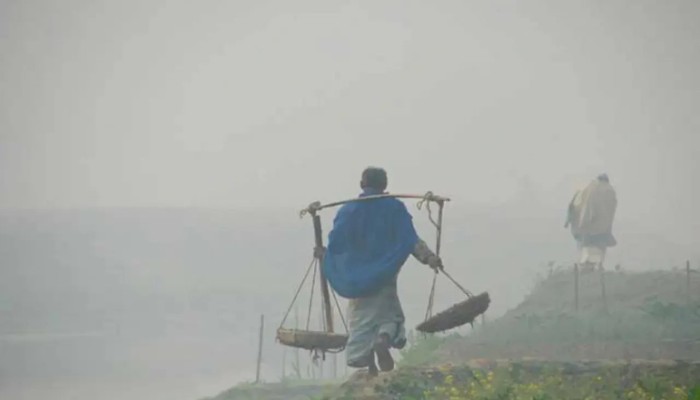
Meanwhile, winter is beginning to intensify in Panchagarh, popularly known as the Himalayan region's gateway in northern Bangladesh. Tetulia has recorded minimum temperatures below 15 degrees Celsius for four consecutive days. Light fog in the early morning and chilly winds throughout the night have increasingly affected daily life.
According to the Tetulia weather office, temperatures in the region have been falling since the beginning of the week. The minimum temperature was 14 degrees Celsius on Tuesday, dropping to 13.5 degrees on Wednesday (November 25) and rising slightly to 14.1 degrees on Thursday (November 26). Thursday's maximum temperature was recorded at 28.6 degrees Celsius.
A visit to the area found that daytime sunshine makes the cold somewhat less noticeable. However, temperatures feel increasingly chilly as evening approaches, with cold northern winds intensifying after nightfall. Despite relatively little fog in the early morning, farmers and low-income workers are heading to fields and workplaces, braving the cold to earn their livelihoods.
Jitendra Nath Roy, acting officer of the Tetulia Meteorological Observation Centre, said temperatures in the region were gradually declining. A mild cold wave may sweep through Panchagarh and adjoining areas in December, he added.


 ছবি: সংগৃহীত