
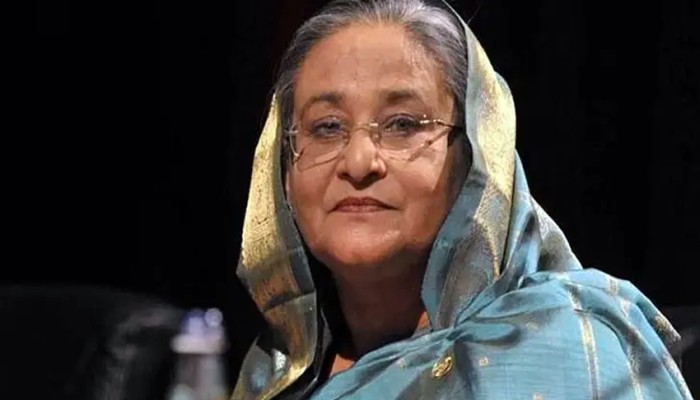
There is no scope for a retrial of the case against death-row convict and former Prime Minister Sheikh Hasina, even if any foreign country or quarter desires it, International Crimes Tribunal (ICT) Chief Prosecutor Md Aminul Islam said on Sunday.
Speaking to journalists on the ICT premises on Sunday (November 15), he asserted that Sheikh Hasina’s trial was conducted strictly in accordance with the existing laws of Bangladesh, and her sentence will be executed following the same legal framework.
"The trial held against Sheikh Hasina at the International Crimes Tribunal complied with Bangladesh's prevailing laws. There is no opportunity to hold a fresh trial based on the wishes or demands of any country or party. Subsequent legal proceedings will be carried out strictly according to the verdict delivered by the tribunal," the Chief Prosecutor stated.
Citing Section 21(3) of the International Crimes Tribunal Act, 1973, Aminul Islam noted that the law mandates filing an appeal within 30 days of the verdict's publication. "However, Sheikh Hasina failed to appeal within the stipulated timeframe. Consequently, the prosecution believes her legal opportunity to file an appeal has expired," he explained.
He added that Sheikh Hasina neither returned to the country to face trial during the proceedings nor appealed within the designated period after the judgment was pronounced. If she returns to Bangladesh now, the legal process to execute her death sentence will be followed, he said, dismissing the relevance of any advice or stance from the country currently sheltering her.
Differing legal opinions on appeal options
Meanwhile, legal experts remain divided over whether Sheikh Hasina still has any legal avenue to challenge the capital punishment. According to reports by media, some senior Supreme Court lawyers opined that even after the expiration of the statutory deadline, an application for condonation of delay under special circumstances—as well as seeking remedies to ensure complete justice under Article 104 of the Constitution—could remain subject to judicial consideration.
The Chief Prosecutor, however, disagreed with the existence of any such legal recourse in this instance.
Background of the verdict
On 17 November 2025, International Crimes Tribunal-1 sentenced Sheikh Hasina and former Home Minister Asaduzzaman Khan Kamal to death in a case involving crimes against humanity committed to suppress the July-August 2024 student-mass uprising. In the same verdict, former Inspector General of Police (IGP) Chowdhury Abdullah Al-Mamun, who turned state approver (Rajshakkhi), was sentenced to five years' imprisonment.
Sheikh Hasina has been residing in India since her ouster, and the Bangladesh government has stated that steps are being taken under the bilateral extradition treaty with New Delhi to bring her back to face justice.