

Govt rules out fuel price hike amid global crisis
- Update Time : Wednesday, March 25, 2026
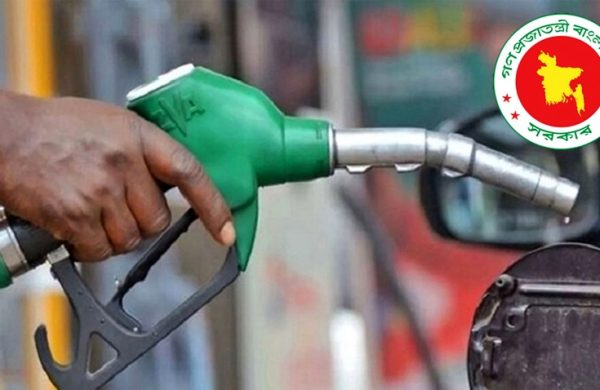
Public urged to avoid panic buying as supply concerns mount
TDS Desk:
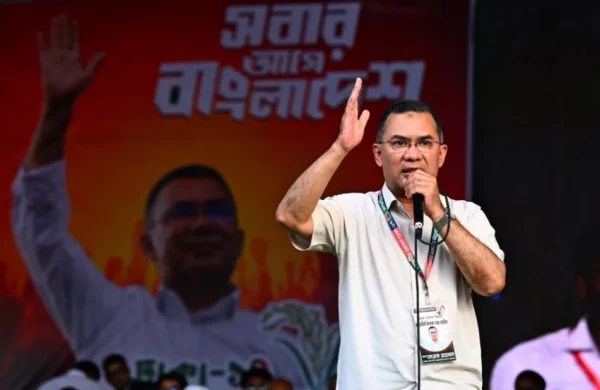
The government has confirmed that fuel prices will not be increased despite rising global energy costs, with Prime Minister’s Adviser Zahed Ur Rahman urging citizens to refrain from panic buying that has strained supply chains ahead of Eid.
Speaking at a press conference at the Secretariat on Wednesday marking the government’s one-month milestone, the Adviser for Policy and Strategy, Information and Broadcasting, and Cultural Affairs said Prime Minister Tarique Rahman has made it clear that fuel prices will remain unchanged.
Zahed attributed the current supply strain to a global crisis that has affected even wealthy nations.
He noted that the United States is reportedly reconsidering its involvement in ongoing conflicts due to concerns about inflation ahead of midterm elections, underscoring the widespread nature of the economic pressures.
The adviser addressed fuel station owners directly, warning that hoarding in anticipation of price increases would not benefit them. He said the government is monitoring pump-level storage practices and called on operators to maintain normal distribution.
Explaining the recent rationing measures, Zahed compared the situation to a bank run, where simultaneous withdrawals by all depositors would cause institutional collapse. He said fuel supplies distributed before Eid, intended to last several days under normal consumption, were exhausted within hours due to panic buying.
The adviser acknowledged public anxiety was understandable, particularly for motorcycle riders whose livelihoods depend on affordable fuel. However, he emphasized that the situation stemmed more from fear-driven behavior than government mismanagement.
Zahed revealed that the country is currently purchasing gas from spot markets as supplies from a long-term agreement with Qatar may fall short. He stressed that while a global crisis could impact the country, coordination within the government remains largely intact.
The government chose not to raise domestic fuel prices despite purchasing at higher international rates, the adviser explained, citing concerns over inflation affecting citizens already struggling with reduced purchasing power following prolonged economic difficulties.










Editor & Publisher: Golam Mostafa Jibon
News & Commercial Office:
2 R. K Mission Road, Dhaka & Railgate, Sirajganj.
Hotline: 01715-319996, 01558-314179
E-mail : editor.thedailysky@gmail.com
news.thedailysky@gmail.com