

Measles treatment costs push 89% of families into debt: Study
- Update Time : Monday, August 3, 2026
UNB:
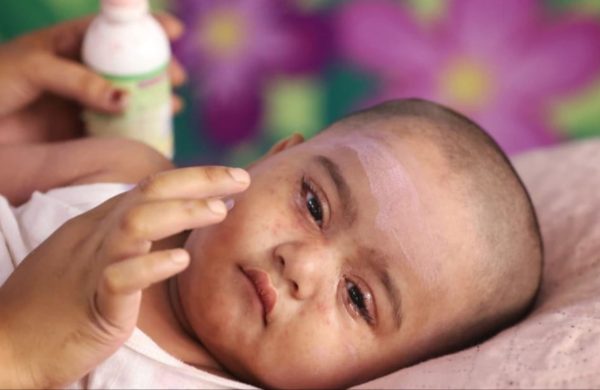
Families across Bangladesh are being pushed into debt as they struggle to cover the hidden costs of measles treatment, according to a joint assessment by the Bangladesh Red Crescent Society (BDRCS) and the International Federation of Red Cross and Red Crescent Societies (IFRC).
Nearly nine in 10 measles-affected families (89%) reported borrowing money to pay for treatment, while six in 10 (61%) exhausted their savings, said a media statement today (August 3).
Every family surveyed reported needing financial support. Some 35% identified medicines as their highest priority, followed by water, sanitation and hygiene support (33%) and food assistance (22%).
It also showed around 4% of families sold their assets and 3% used donations.
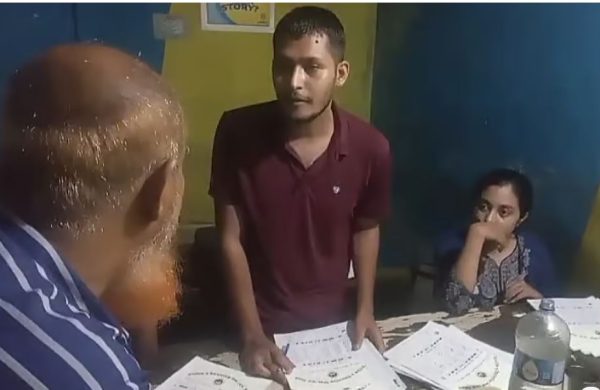
The assessment, conducted among 2,746 measles-affected families receiving treatment at 12 government medical colleges and district hospitals across Bangladesh, found that the financial burden of the surge extended far beyond medical care.
Around 75% of the families’ patients’ age levels were within 4 years; 5-17 years were 19%, and over 18 years were 6%.
The assessment was undertaken to identify 2,400 of the most vulnerable families for emergency cash assistance (Tk10,000 for each family) and assess the socio-economic impact of the measles surge.
A total of 2,746 affected households were assessed against agreed vulnerability criteria, from which 2,400 households were selected to receive assistance.
Findings show that affected families spent an average of Tk16,000 on treatment and related expenses. Many caregivers also reported losing income or even their jobs after staying in hospitals for extended periods to care for sick children or family members.
Hazera Khatun travelled to Dhaka from Rangpur with her 11-month-old daughter, who is receiving treatment at Shaheed Suhrawardy Medical College and Hospital.
The family has already spent more than Tk70,000. “Treatment at the government hospital is free, but many other costs are not covered. We spent nearly Tk20,000 just to reach Dhaka by ambulance. Every day we buy food, pay for medical tests and cover other daily expenses. I have already borrowed money from my relatives. My husband’s work is in Saudi Arabia, but he has not received his salary this month, making it even harder for us,” she said.
Among families that reported their occupation, 78% relied on informal employment, earning between Tk6,000 and Tk20,000 per month, leaving them particularly vulnerable to income loss during prolonged illness.
Dr Kabir M Ashraf Alam, secretary general of the BDRCS, said, “The assessment shows that many families are facing not only a health emergency but also a severe financial strain. Through our emergency response, we are supporting the most vulnerable families with cash assistance while continuing community awareness activities.”
The head of delegation of the IFRC in Bangladesh, Alberto Bocanegra, said, “The effects of this measles health emergency do not end at the hospital door, as families often face difficult financial limitations while caring for sick children and/or other family members. These findings demonstrate why humanitarian assistance and strong social protection systems are both essential during public health emergencies.”
Bocanegra added, “It is essential for us to base our actions on data evidence.”
With support from the IFRC and partners, the BDRCS supported the government of Bangladesh’s nationwide measles vaccination campaign.
The organisation also mobilised over 1,000 Red Crescent volunteers to conduct community awareness activities, support vaccination centres, risk communication and social activities to encourage vaccination and early healthcare-seeking.



Editor & Publisher: Golam Mostafa Jibon
News & Commercial Office:
2 R. K Mission Road, Dhaka & Railgate, Sirajganj.
Hotline: 01715-319996, 01558-314179
E-mail : editor.thedailysky@gmail.com
news.thedailysky@gmail.com