

Mass-closures hit industrial sector: Energy and investment crisis boosts unemployment
- Update Time : Sunday, August 30, 2026
Special Correspondent:
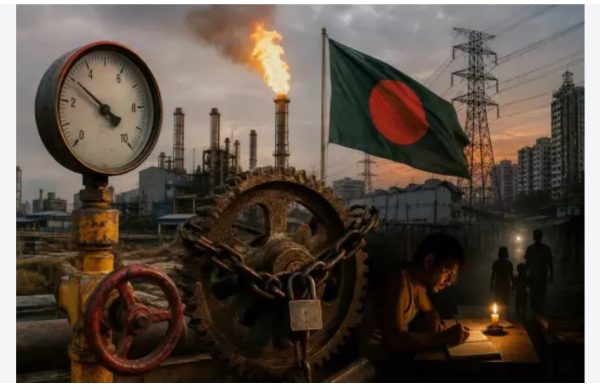
Country’s industrial sector has plunged into a severe crisis following acute energy crisis, political instability and abrupt policy shifts, leading to the closure of thousands of manufacturing units and rendering thousands of workers unemployed. The mounting operational disruption has dealt a heavy blow to both domestic and foreign investment, halting new factory setups and sending shockwaves through the national economy, experts said.
While the government has initiated plans to restart shuttered state-owned enterprises to curb rising unemployment, authorities have yet to outline a definite timeline for their reopening.
UNPRECEDENTED FACTORY CLOSURES ACROSS KEY SECTORS:
Data from trade bodies highlights a sharp contraction across export and domestic manufacturing sectors between August 2024 and June 2026. The tally of closed units includes:
- BGMEA (Garments): 499 factories
- BKMEA (Knitwear): 235 factories
- BTMA (Textiles): 166 factories
- BEPZA (EPZ Units): 59 factories
- Other Industrial Sectors: Over 1,000 factories
This downturn follows earlier disruptions dating back to 2020, when 34 state-owned units—including major jute mills like Platinum Jute Mill—were shut down for modernization, leaving 30,000 workers displaced. Many of these workers, such as former jute mill employee Mohammad Azad Mia, remain without stable formal employment, relying on informal manual labor to survive.
POLICY SHIFTS AND REGULATORY PRESSURE:
The crisis intensified during political unrest starting in mid-2024. Following the administrative transition, over a hundred factories tied to major business conglomerates were closed prior to the conclusion of judicial proceedings. A single decision by an advisory committee closed 16 units at Beximco Industrial Park, displacing 35,000 workers instantly.
Current Minister of Environment, Forest, and Climate Change and former FBCCI President Abdul Awal Mintoo noted that, while legal accountability for corruption is necessary, closing active factories before final judicial verdicts inflicts severe damage on workers and the broader economy.
Industry leaders pointed out that uncoordinated decisions regarding labor law amendments, port leasing agreements, National Revenue Board (NBR) restructuring, rising energy tariffs, and foreign trade duties significantly escalated the cost of doing business.
BGMEA President Mahmud Hasan Khan emphasized that, a lack of structured dialogue between policymakers and trade representatives created widespread instability, forcing entrepreneurs into financial distress.
SEVERE ENERGY DEFICITS HIT HUBS:
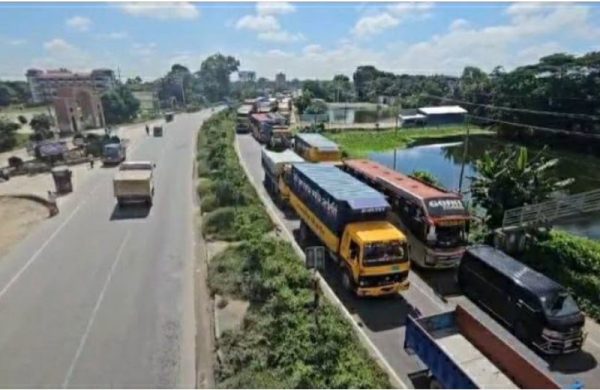
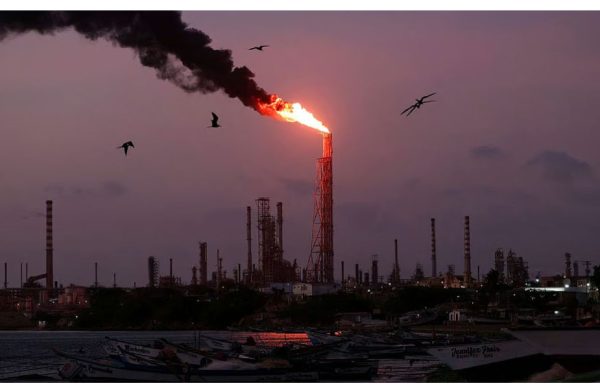
The crisis has been further compounded by severe gas and electricity shortages linked to broader Middle Eastern volatility. Industrial belts in Gazipur, Ashulia, Savar and Valuka faced acute gas deficits, forcing over 500 factories to halt production or declare temporary holidays.
BKMEA President Mohammad Hatem warned that persistent energy cuts have caused manufacturers to lose international buyer orders and default on bank loans and tax obligations, threatening remaining jobs.
ECONOMIC CONTRACTION AND EXPERT WARNINGS:
The impact of these closures is clearly reflected in macro data. The Bangladesh Bureau of Statistics (BBS) recorded a negative growth rate of -0.28% in the industrial sector for the January–March quarter.
Dr. Mustafizur Rahman, Distinguished Fellow at the Centre for Policy Dialogue (CPD), stressed that the actual number of affected individuals far exceeds official estimates of closed units. With factories downsizing output to limit losses, even workers who retain their jobs face reduced income, deferred benefits, and continuous job insecurity.



Editor & Publisher: Golam Mostafa Jibon
News & Commercial Office:
2 R. K Mission Road, Dhaka & Railgate, Sirajganj.
Hotline: 01715-319996, 01558-314179
E-mail : editor.thedailysky@gmail.com
news.thedailysky@gmail.com