

Dhaka moves to introduce zone-based system for battery-run rickshaws
- Update Time : Friday, August 14, 2026
BSS, Dhaka
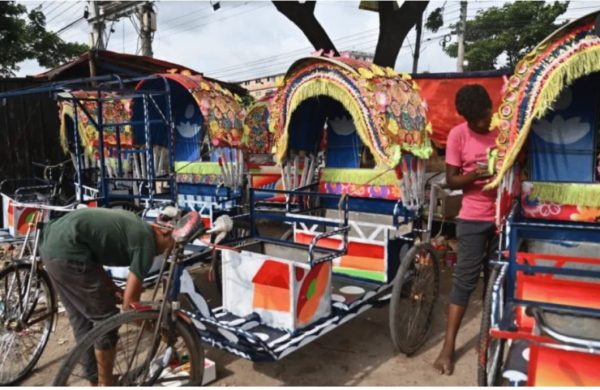
Authorities are moving to bring battery-run rickshaws in the capital under a structured regulatory framework, with plans to introduce a zone-based movement system aimed at reducing traffic congestion and restoring discipline on city roads.
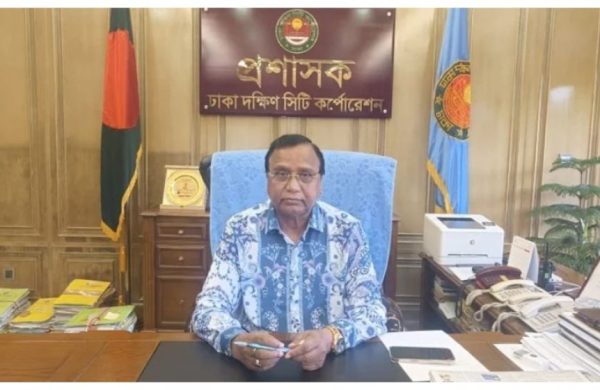
Dhaka South City Corporation (DSCC) Administrator and freedom fighter Abdus Salam told Bangladesh Sangbad Sangstha (BSS) recently that the capital would be divided into several zones, allowing rickshaws to operate primarily within their designated areas.
“Rickshaws from one area will not be allowed to move freely into another. Depending on requirements, restrictions may also be imposed based on specific days and roads,” he said.
The initiative is part of a broader effort to address the growing number of battery-run rickshaws operating without adequate regulation, many of which, according to the DSCC administrator, frequently violate traffic rules, drive against traffic and contribute to congestion.
Abdus Salam said the authorities are also working to bring rickshaws under a formal registration and licensing system, arguing that the sector cannot be effectively managed without identifying and regulating the vehicles and their operators.
He pointed to the increasing influx of people into Dhaka following floods, river erosion and other natural disasters, saying many newcomers settle in open spaces and take up rickshaw driving or street vending as a means of livelihood.
“Can we accommodate people from across the country in Dhaka? This also needs to be regulated,” he said.
He has stressed that unplanned migration is placing additional pressure on the capital’s already strained infrastructure.
According to him, the number of battery-run rickshaws entering Dhaka from different parts of the country has increased since August 5, making a regulatory mechanism more urgent.
Giving an example of the proposed zoning system, he said: “A rickshaw from Demra will not be allowed to go to New Market. We will divide the city into zones and may assign specific days and roads for their movement. Some roads may be completely restricted to them.”
He said no rickshaw would be allowed to operate in Dhaka without a valid licence, adding that rickshaws entering the city from Keraniganj or moving across the river from Demra into other areas would also face restrictions.
Similarly, rickshaws operating under the Dhaka North City Corporation would not be allowed to move indiscriminately into areas under the DSCC. “We want to bring the entire system under a proper framework. It will take some time, and we need cooperation from the media and all stakeholders.”
He said the necessary laws and regulations are being formulated, and the city corporations will implement them once the relevant legislation is finalised and forwarded by the concerned ministry.
Alongside rickshaws, he said that the DSCC is working to bring bus operations under a more disciplined system. Steps had been initiated before Eid to prevent buses from stopping randomly and picking up or dropping off passengers at unauthorised locations, he added.
“Buses cannot be allowed to stop wherever they want or pick up passengers from wherever they choose. That too has to be brought under a system,” he said.
He said discussions had already been held with transport-sector stakeholders and they had been given time to comply with the proposed arrangements.
“In a few months, InshaAllah, you will see the system largely coming under a proper framework,” he said.
The DSCC administrator also urged citizens to share responsibility for improving traffic management, saying urban congestion and disorder cannot be addressed by government agencies alone.
Meanwhile, State Minister for Local Government, Rural Development and Cooperatives Mir Shahe Alam said the government is preparing a policy to regulate battery-run and electric rickshaws across city corporations, municipalities, upazilas and union parishads.
He said the policy is being formulated under the Local Government (City Corporation) Act, 2009 and the Local Government (City Corporation) (Amendment) Act, 2026.
“If implemented effectively, the policy will help control traffic congestion, bring discipline to road movement and improve road safety,” he said.
The state minister said a regulated licensing and registration system would also help increase government revenue.
He added that the government plans to modernise existing regulations and amend the relevant rules to establish a coordinated licensing framework for city corporations, municipalities, upazilas and union parishads.
The proposed measures are expected to mark a significant shift from the largely informal operation of battery-run rickshaws toward a more regulated, zone-based and accountable urban transport system.







Editor & Publisher: Golam Mostafa Jibon
News & Commercial Office:
2 R. K Mission Road, Dhaka & Railgate, Sirajganj.
Hotline: 01715-319996, 01558-314179
E-mail : editor.thedailysky@gmail.com
news.thedailysky@gmail.com