

Hospitals in Bangladesh see rise in breathing-related lung patients
- Update Time : Tuesday, January 27, 2026

TDS Desk:
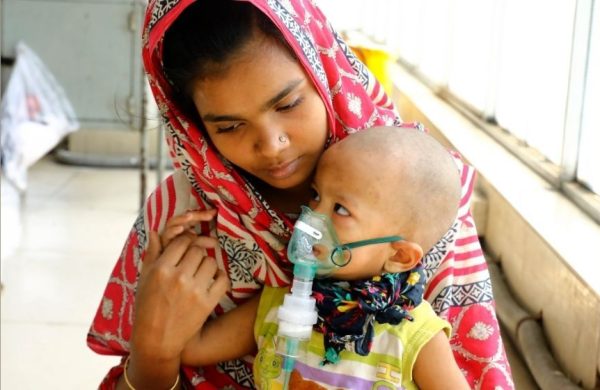
The number of patients suffering from chronic obstructive pulmonary disease (COPD) is steadily rising in Bangladesh, with both public and private hospitals reporting increased admissions for shortness of breath, persistent cough, and other lung-related complications in recent years. A significant proportion of these patients are diagnosed with COPD. According to doctors and public health experts, the surge is largely due to environmental pollution, particularly air pollution. They say urbanisation, industrialisation, vehicle emissions, and harmful particulate matter released from construction activities have significantly increased health risks for people living in urban and industrial areas.
According to specialists, prolonged exposure to polluted air gradually reduces lung capacity, eventually leading to severe conditions. In addition to air pollution, the use of solid fuels for cooking, smoking, and exposure to dust in workplaces are also major risk factors for COPD. In rural areas, where cooking with firewood, straw, and cow dung remains common, women and children are disproportionately affected. The situation could worsen further unless effective measures are taken to control carbon emissions in industry, reduce vehicular smoke, and manage dust generated by infrastructure projects. They also stress the need to raise public awareness and prioritise early diagnosis to curb the disease’s impact.
Dr AKM Fahmid Noman, a physician at a 250-Bed TB Hospital, told Journalists, “COPD is a chronic lung disease that causes inflammation in the airways and obstructs breathing. Its main symptoms include shortness of breath, chronic cough with sputum, chest tightness, and wheezing sounds. COPD ranks as the third leading cause of death. The main cause is air pollution. In addition, direct and passive smoking and recurrent lung infections are contributing to the steady rise in cases. Alongside Bangladesh, this trend is visible in other countries. The disease usually develops after the age of 40. COPD is incurable, making prevention the best option. Our treatment focuses on preventing further deterioration and reducing symptoms such as breathlessness and cough. In many cases, we advise medication along with vaccines and pulmonary rehabilitation exercises. However, we need to accelerate public awareness and emphasize early diagnosis, adding that identifying the disease at an early stage can significantly reduce patients’ suffering.”
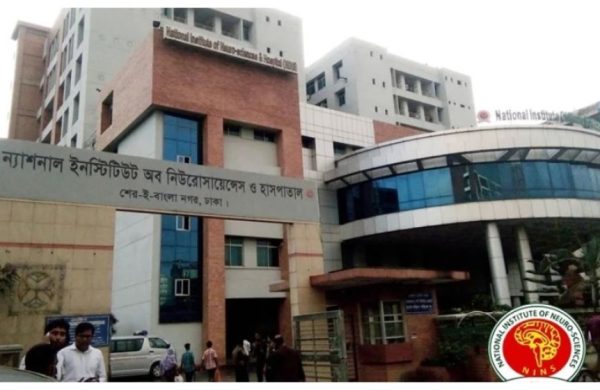
The National Institute of Diseases of the Chest & Hospital (NIDCH) and the 250-bed TB Hospital provide treatment for various respiratory-related illnesses. An analysis of data from the past five years shows a rise in the number of COPD patients during this period. According to information obtained from the two hospitals, the number of patients seeking treatment for COPD stood at 4,556 in 2021, rose to 5,120 in 2022, increased further to 5,317 in 2023, reached 5,688 in 2024, and climbed to 5,920 in 2025.
Deputy Director of the 250-bed TB Hospital, Dr Ayesha Akhtar, told journalists, “The number of COPD patients is increasing worldwide mainly due to air pollution, alongside several other factors. Air pollution, rapid urbanisation, deforestation, active and passive smoking, black smoke from vehicles, and similar factors are driving the rise in such patients. We don’t have a livable environment suitable for a population of 180 million, and the consequences affect public health. The lungs are one of the most vital organs of the human body. Once the lungs are affected, other organs gradually begin to suffer as well. This is why there is an urgent need for much greater public awareness about COPD.”
According to the World Health Organization (WHO), COPD is the fourth leading cause of death globally. Around 10 percent of the world’s population suffers from the disease. In 2021, about 3.5 million people died from COPD worldwide, accounting for roughly 5 percent of all global deaths. The burden of the disease is particularly high in low- and middle-income countries, which together account for nearly 90 percent of COPD-related deaths globally. Air pollution, along with active and passive smoking, is responsible for about 70 percent of total cases. In South Asia, the average prevalence rate is 11.1 percent, while in Bangladesh it stands at 12.5 percent — slightly higher than in other countries in the region.
Medical Supervisor of NIDCH, Dr Mohammad Abdullah Al Mehedi, told journalists, “Air pollution is undoubtedly the primary reason behind the rise of COPD. However, there is also a lack of public awareness about the disease, which leaves a large number of patients undiagnosed. Unlike other non-communicable diseases, COPD doesn’t receive adequate attention in awareness campaigns. Yet many complications can be reduced through precautionary measures. Alongside efforts to curb environmental pollution, it is equally crucial to strengthen public awareness at the grassroots level.”














Editor & Publisher: Golam Mostafa Jibon
News & Commercial Office:
2 R. K Mission Road, Dhaka & Railgate, Sirajganj.
Hotline: 01715-319996, 01558-314179
E-mail : editor.thedailysky@gmail.com
news.thedailysky@gmail.com