

Nipah virus detected in 35 districts, IEDCR warns of changing infection pattern
- Update Time : Wednesday, January 7, 2026
TDS Desk:
The Institute of Epidemiology, Disease Control and Research (IEDCR) has warned that Nipah virus infections have been detected in 35 districts across Bangladesh.
The health agency said the virus’s spread and transmission pattern are changing at an alarming rate.
The warning came on Wednesday during a discussion titled “Spread and risk of Nipah virus” held at the IEDCR auditorium in Dhaka.
Presenting data at the meeting, scientific officer Sharmin Sultana said all four Nipah cases recorded in 2025 resulted in death, marking a 100 percent fatality rate. The year also saw the country’s first “off-season” Nipah case, she said.
According to the presentation, four patients were identified last year in Naogaon, Bhola, Rajbari and Nilphamari districts, and all of them died. One of the cases involved an eight-year-old child from Naogaon, who was infected in August—outside the usual winter season when Nipah outbreaks are typically reported.
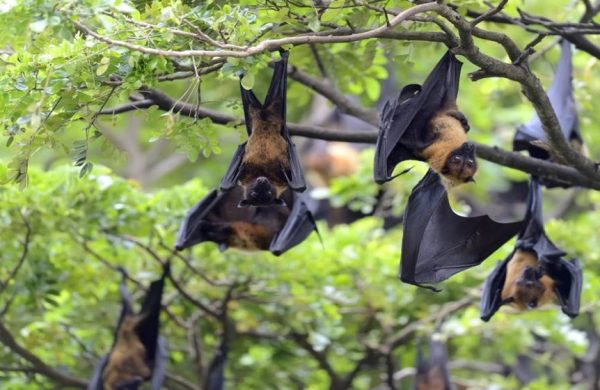
Health officials said the child was infected after consuming partially eaten fruits, including black plum, date and mango, contaminated by bats. The case has been identified as a new and alarming transmission route.
IEDCR data show that Nipah virus presence has now been detected in 35 of the country’s 64 districts. Faridpur, Rajbari, Naogaon and Lalmonirhat have recorded comparatively higher infection and death rates. Globally, the average fatality rate of Nipah virus is around 72 percent.
The presentation noted that while raw date palm sap has historically been considered the primary source of infection, the Naogaon case demonstrates that Nipah can also spread year-round through direct consumption of bat-contaminated fruits.
Officials also warned of human-to-human transmission, saying around 28 percent of cases globally involve direct transmission from an infected person to others, posing significant risks to family members and healthcare workers.
Chairing the meeting, IEDCR Director Prof Dr Tahmina Shirin said the off-season case and new transmission pathways were a “major warning signal” for the country.
“Nipah is no longer confined to winter or date palm sap. It is becoming a year-round and multi-route public health threat,” she said.
Nipah virus surveillance coordinator Dr Syed Moinuddin Sattar said monitoring had been strengthened in high-risk districts and hospitals had been instructed to remain prepared.
Speakers at the meeting also noted that in 2024, five Nipah infections were recorded in Bangladesh and all of them were fatal, underscoring the need for heightened vigilance and preparedness in the health system.












Editor & Publisher: Golam Mostafa Jibon
News & Commercial Office:
Railgate, Sirajganj & 2 R. K Mission Road, Dhaka.
Hotline: 01715-319996, 01558-314179
E-mail : [email protected]