

Price cuts outweigh increases in upcoming budget
- Update Time : Wednesday, June 10, 2026
TDS Desk:
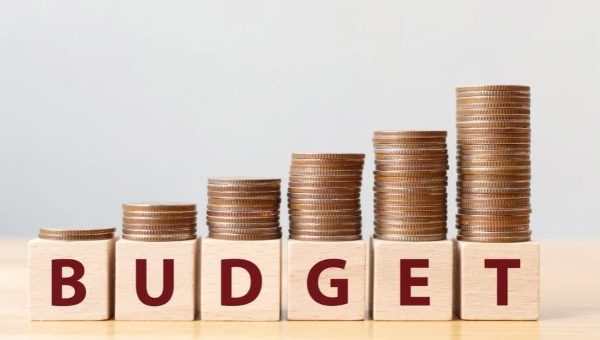
People in Bangladesh are enduring a difficult period marked by a fragile economy, high inflation, and a lack of investment and employment opportunities. Against this backdrop, the first budget of the BNP-led coalition government under Prime Minister Tarique Rahman is set to be unveiled tomorrow.
The Prime Minister has expressed a desire to prevent further increases in the cost of living during this period of economic hardship and to provide relief from persistently high prices. With that objective in mind, the National Board of Revenue (NBR) has structured duties and taxes in a way that favours price reductions for a wide range of goods.
However, despite proposing tax and duty relief on many products, the NBR is expected to target nearly Tk600 billion more in revenue than in the current fiscal year. This raises questions about how the agency intends to achieve higher revenue collection while simultaneously reducing duties on numerous items. Analysts describe the situation as something of a paradox, given the scale of the proposed tax concessions.
Sources at the Ministry of Finance said the revenue target for the upcoming budget has been set without a clearly defined roadmap, which could ultimately undermine budget implementation.
An analysis of preliminary budget information suggests that the government has prioritised fulfilling election pledges and providing public relief, resulting in concessions across many sectors. Breaking with traditional budget trends, this year’s proposal contains a lengthy list of measures that could reduce prices rather than increase them.
How much of these reductions will actually be reflected in retail prices remains uncertain. Nevertheless, analysts have generally welcomed the effort.
SM Nazrul Hossain, Vice-President of the Consumers Association of Bangladesh (CAB), said: “For most people, the budget usually brings anxiety because it is associated with rising prices. If we can move away from that culture, it will be a positive development. However, the prices of harmful products such as cigarettes, nicotine products and alcohol should increase. If the prices of essential goods remain stable, people will feel relieved. The government also pledged during the election campaign to keep market prices within an affordable range. If it succeeds, it will earn public appreciation and restore confidence in politicians’ promises.”
Ambitious Revenue Target
According to sources, the proposed budget size has been set at Tk9.38 trillion in line with the government’s election manifesto commitments. Of this amount, the NBR has been tasked with collecting Tk6.04 trillion in revenue.
Given last year’s performance and current economic realities, many experts believe this target will be extremely difficult to achieve.
Dr Khandaker Golam Moazzem, Research Director at the Centre for Policy Dialogue (CPD), said: “The government’s biggest challenges now are increasing employment and investment. Prolonged stagnation in investment has contributed to rising unemployment and poverty. There is therefore a need to encourage the private sector. The government appears to be offering various tax and duty concessions with that objective in mind. However, tax incentives alone are not sufficient to stimulate investment. Interest rates, energy supply, energy price stability, and easier licensing and registration processes are equally important.”
On the impact on revenue collection, he said: “Even if the government had not reduced duties and taxes, meeting the revenue target would still be difficult without alternative measures. Bangladesh has substantial untapped revenue potential, but tax evasion, tax avoidance and the large number of people outside the tax net remain major obstacles. Whether the government addresses these issues will be crucial.”
Tax Relief Planned for Key Sectors
Finance Ministry sources said the budget is likely to include substantial tax incentives aimed at protecting domestic industries. These may include tax holidays, VAT exemptions and reductions in import duties. Priority sectors include electronics, solar energy and healthcare, with some incentives extending until 2031.
For the general public, the most important question is which products may become cheaper or more expensive under the new budget.
PRODUCTS THAT MAY BECOME CHEAPER
Industrial Raw Materials
The source tax on imported industrial raw materials may be reduced from 5% to 4%. The number of regulatory duty slabs may also be reduced from nine to six, lowering import costs and potentially reducing the prices of manufactured goods.
Essential Food Items
To help curb inflation, the source tax on around 60 essential and agricultural products—including rice, paddy, wheat, potatoes, onions and edible oil—may be reduced to 0.50%. Regulatory duties on these products may also be withdrawn.
Edible Oil
Producers using locally grown oilseeds to manufacture edible oil may receive a 10-year tax exemption. This could lower the prices of domestically produced mustard and other edible oils.
Fuel Oil
The source tax on fuel supplied to refineries may be reduced from 1.5% to 1%, potentially lowering transport and production costs.
Medical Equipment and Pharmaceuticals
The 5% advance tax on imported kidney dialysis filters may be abolished, reducing dialysis costs by approximately Tk600 per session. Supplementary duties on 68 pharmaceutical raw materials may also be removed, while tax concessions could be introduced for nine raw materials used in cancer medicines. VAT on cardiac stents and eye lenses may also be withdrawn.
Mobile Phones and Telecommunications
The source tax on 22 raw materials used in local mobile phone manufacturing may be reduced to 1%, while VAT exemptions for the sector could be extended until 2030. The fixed Tk300 VAT on SIM cards may be replaced by a 15% VAT, potentially lowering SIM prices.
Electricity and Solar Power
The source tax on electricity purchases from producers may fall from 4% to 3%. Solar power generation could receive tax exemptions until 2035, with duty-free imports of equipment potentially extended until 2031.
Electric Vehicles
Tax exemptions may be granted on electric charging stations, electric buses and electric trucks. Advance income tax on vehicle registration could also be reduced, while local electric vehicle manufacturers may receive tax incentives.
Gold and Jewellery
The source tax on gold and jewellery supplies may be reduced from 5% to 0.5%. VAT could also be replaced by a fixed levy, potentially easing the pressure on gold prices.
Electronics and Technology Products
Tax incentives for televisions, refrigerators and computer equipment manufacturers may continue. Advance tax on computer printers, portable data-processing machines, flash memory devices and monitors may be reduced from 5% to 2%.
Products That May Become More Expensive
Cigarettes
As in previous years, cigarette prices are expected to rise across all four price tiers. The proposed prices for a pack of 10 cigarettes range from Tk62 for the lowest tier to Tk210 for the premium segment.
Nicotine Pouches and Heated Tobacco
The maximum retail price for a 10-gram nicotine pouch may be set at Tk500, with a 40% supplementary duty. Heated tobacco products may also face higher taxes and a 1% health development surcharge.
Cashew Nuts
Import duties on both processed and unprocessed cashew nuts may rise sharply to 25%.
Luxury Cars
The tax burden on petrol, octane and diesel-powered vehicles is expected to increase substantially, particularly for cars with engine capacities between 1,200cc and 1,600cc.
Alcohol
A supplementary duty of Tk500 per litre may be imposed at the production stage of locally manufactured foreign-style alcoholic beverages.
Steel Rods
Specific VAT rates on steel products manufactured from scrap metal may increase significantly, potentially raising construction costs.
Imported Frozen Fish
A 20% supplementary duty may be imposed on imported pangasius fillets to protect domestic fish producers.
Helicopters
The budget may introduce an annual advance income tax of Tk1 million per helicopter.
Gambling Income and Retail Trade
Income earned through gambling may face a higher withholding tax of 25%, up from 20%. In addition, the expansion of the VAT net could bring many small retailers under VAT coverage, increasing their operating costs.
Overall, the proposed budget appears designed to provide relief to consumers, support domestic industries and encourage investment, while simultaneously pursuing an ambitious revenue target. Whether these objectives can be achieved simultaneously remains one of the key questions surrounding the upcoming fiscal plan.






Editor & Publisher: Golam Mostafa Jibon
News & Commercial Office:
2 R. K Mission Road, Dhaka & Railgate, Sirajganj.
Hotline: 01715-319996, 01558-314179
E-mail : editor.thedailysky@gmail.com
news.thedailysky@gmail.com