

13-yr of Rana Plaza tragedy: Cries for justice remain unanswered
- Update Time : Friday, April 24, 2026
Staff Reporter:
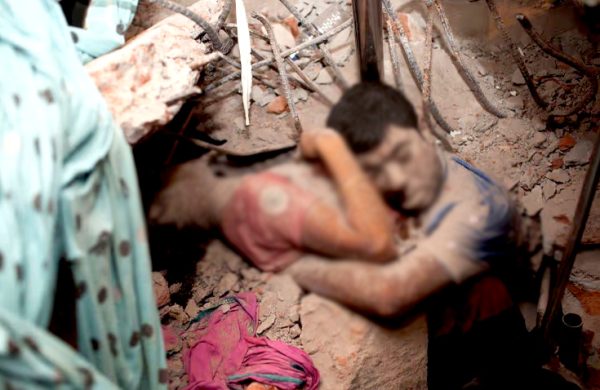
Thirteen years after the catastrophic collapse of Rana Plaza building in Savar, the judicial process remains mired in delays, leaving victims’ families and survivors in a state of despair.
Despite being one of the deadliest industrial disasters in history, the primary murder case is still stuck in the witness testimony phase at trial court level.
The disaster occurred on April 24, 2013, claiming the lives of 1,136 people and injuring thousands more. While the tragedy fundamentally reshaped the country’s readymade garment sector, visible progress in the courtroom has been minimal.
Of the four cases filed in connection with the collapse, only one minor case regarding building code violations has been resolved. Three others, including the high-profile culpable homicide case, remain pending.
Court records show that out of 594 listed witnesses in the murder case, only 145 have testified so far. The next hearing for witness testimony is scheduled for April 30. Due to this protracted legal battle, nearly all 41 defendants are currently out on bail or absconding, with the exception of the building’s owner and primary accused, Sohel Rana.
Public prosecutors have attributed the delay to a lack of political will from the previous administrations. State counsel Advocate Faisal Mahmud alleged that the former governments failed to prioritize the case and instead attempted to use the tragedy for political leverage rather than ensuring a swift trial.
Meanwhile, defense lawyer Advocate Masud Khan Khokon also expressed support for a faster resolution, calling for the court to expedite the remaining testimonies and conclude the proceedings.
Legal experts warn that at the current pace, there is no possibility of a verdict being delivered within this year.
The lack of progress has deepened the agony of survivors and the families of the deceased.
On Friday, victims’ relatives and labor activists gathered at the site of the collapse in Savar to pay their respects and demand justice. Laying floral wreaths at a temporary memorial, they voiced frustration over the state’s failure to provide adequate compensation and rehabilitation.
For many, the collapse was not a mere accident but a “planned murder” caused by negligence.
Protesters at the site emphasized that while over a decade has passed, their quality of life has not improved, and their cries for justice continue to go unanswered. They are now demanding immediate punishment for the perpetrators and the strict enforcement of labor laws to prevent such tragedies in the future.



Editor & Publisher: Golam Mostafa Jibon
News & Commercial Office:
2 R. K Mission Road, Dhaka & Railgate, Sirajganj.
Hotline: 01715-319996, 01558-314179
E-mail : editor.thedailysky@gmail.com
news.thedailysky@gmail.com