

China to support construction of 20 modern hospitals in Bangladesh
- Update Time : Monday, July 13, 2026
Online Desk:
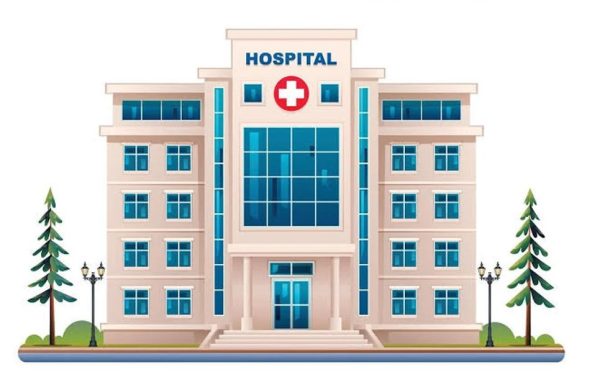
Bangladesh is planning to build 20 state-of-the-art hospitals with China’s financial and technical support, marking one of the largest foreign investments in the country’s healthcare sector.
The proposed project will add a total of 21,000 hospital beds nationwide, including two specialized hospitals dedicated to women and children.
The government says the initiative aims to modernize healthcare services, expand access to specialized treatment, and reduce the number of patients traveling abroad for medical care.
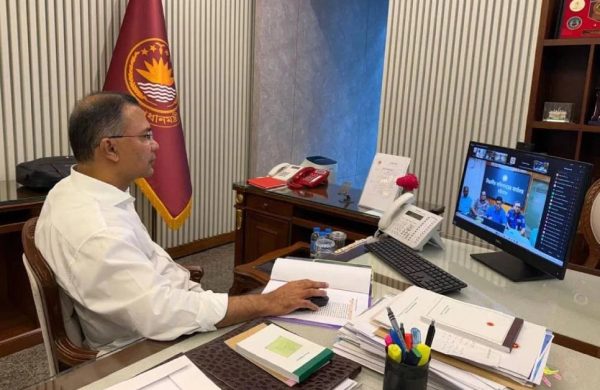
Health and Family Welfare Minister Sardar Md Sakhawat Husain told that discussions with China are currently underway regarding the project.
“We are in talks with China to build 20 modern hospitals. Of these, 18 will be general hospitals, while two will be specialized facilities for women and children. China has expressed interest in our proposal. The government will provide land, and China will offer financing through low-interest loans. We hope this initiative will significantly strengthen the country’s healthcare system,” the minister said.
According to officials at the Ministry of Health and Family Welfare, millions of Bangladeshis seek medical treatment abroad every year, resulting in an estimated outflow of nearly US$5 billion annually. Patients often travel overseas due to the limited availability of advanced treatment and medical technology for diseases such as cancer, kidney and liver disorders, infertility, and other specialized conditions.
Several China-backed healthcare projects are already underway. Construction is in progress on the Bangladesh-China Friendship Burn Unit in Chattogram to provide advanced treatment for burn victims. In addition, a 1,000-bed hospital is being built in Nilphamari with Chinese funding.
Building on these initiatives, Bangladesh has proposed that China support the construction of an additional 20 hospitals. If approved, the project will include 18 general hospitals with 1,000 beds each and two specialized women’s and children’s hospitals with 1,500 beds each, bringing the total capacity to 21,000 beds.
Md. Kamruzzaman Chowdhury, secretary of the Health Services Division under the Ministry of Health and Family Welfare said, “Work on this proposal has been underway since before PM Tarique Rahman’s visit to China. The ministry is holding meetings to determine the locations of the hospitals and the services they will provide.”
Health ministry officials noted that China is already one of Bangladesh’s largest partners in supplying pharmaceutical raw materials, hospital equipment, diagnostic kits, reagents, and other medical products. Chinese vaccines also played a significant role in Bangladesh’s COVID-19 vaccination campaign.
On May 13, the Sinovac Foundation, affiliated with Chinese vaccine manufacturer Sinovac Biotech Ltd., donated 383,080 doses of polio vaccine to Bangladesh’s Ministry of Health and Family Welfare to support the country’s Expanded Programme on Immunization (EPI).
Officials said China has now expressed interest in extending its cooperation beyond medical supplies by directly participating in the country’s healthcare infrastructure development. Under the proposed project, Bangladesh would provide the land, while China would finance and construct the hospitals.
The hospitals are expected to feature modern architectural designs and advanced medical facilities. Priority for construction will be given to densely populated districts, particularly in northern Bangladesh, Khulna, and the Chattogram region, while other parts of the country will also be included. The project aims to promote decentralization of healthcare services and improve access to quality medical care nationwide.
Prof Mujaherul Haque, former Senior Adviser to the World Federation for Medical Education, welcomed the prospect of foreign investment in the health sector but emphasized the importance of strategic planning.
“We have no objection to investment in healthcare. However, the first priority should be identifying areas where hospitals are most needed. At the same time, the country must develop skilled human resources including doctors, nurses, and technicians to operate these facilities. Bangladesh should also invest in improving its existing healthcare institutions and strengthen domestic capacity alongside foreign cooperation,” he said.







Editor & Publisher: Golam Mostafa Jibon
News & Commercial Office:
2 R. K Mission Road, Dhaka & Railgate, Sirajganj.
Hotline: 01715-319996, 01558-314179
E-mail : editor.thedailysky@gmail.com
news.thedailysky@gmail.com