

THE LIVING SPIRIT OF RATH MELA, WHERE FAITH TOUCHES CULTURE
- Update Time : Monday, September 14, 2026
By Lamia Akter Tanni
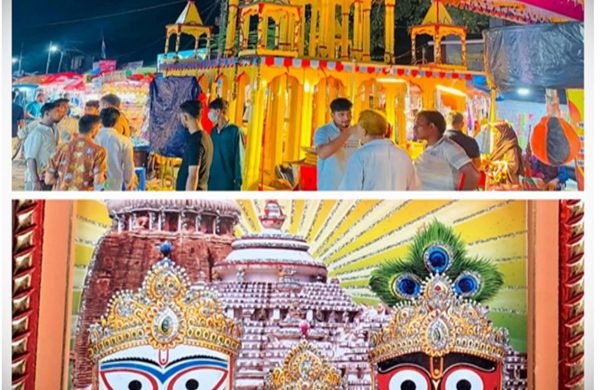
The first thing to arrive is not the Rath (Chariot), it’s the sound. Long before the towering wooden structure appears, the rhythmic beat of drums, conch shells sound echoes through the street. The smell freshly fried Jilapi, batasha drifts through the bustling crowd.
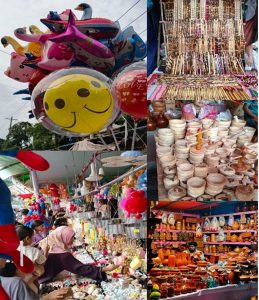
Around the crowd, children laugh on marry go rounds, artisan display handcrafted pottery and bamboo goods. Hundreds of hands reach for the thick ropes tied to a towering wooden chariot, pulling forward with prayers on their lips and hope in their hearts. This is Rath Mela, one of the oldest and most vibrant festivals in Bangladesh, where faith and culture come together in a remarkable celebration.
Lord Jagannath going to her aunt house along with his brother and sister in Rath (Photo clicked by Lamia AkterTanni)
For a few days each year, Rath Mela transforms an ordinary town into a vibrant space where faith, tradition, commerce and celebration exist side by side. It is more than a religious gathering. It is a living portrait of Bangladesh’s cultural heritage.
The word Rath means Chariot. The festival is centred on the annual Rath Jatra of the Lord Jagannath accompanied by his brother Balabhadra and sister Subhadra. According to Hindu beliefs, the deities leave their temple to visit their aunts house and stayed there for nine days. After staying there, they came back to the temple and its called Ulto Rath ( Return Chariot Festival). This Rath symbolizes a sacred journey that devotees honour by pulling the decorated wooden chariot. Participating in this act is believed to bring blessing and spiritual merits, peace and prosperity.
The tradition of Rath Jatra dates back more than 800 years to the city of Puri in the Indian State of Odisa, where it remains one of the Hinduism’s most celebrated festivals. As the tradition spread across Bengal, it become an integral part of the religious life. Historical records show that Rath Jatra has been celebrated in Bengal for hundreds of years. Today, major celebration take place in cities and towns across the country, including Gazipur, Dhaka where thousands of visitors gather every year.
But what makes the festival unique is the inseparable connection between the Rath and Mela. The Rath is the religious heart of the celebration while the Mela is its cultural soul. As the chariot procession attracts thousands of devotees and visitors, local traders, and performers gather around the festival site. Temporary markets emerge offering everything from handcrafted pottery and bamboo products to traditional sweets, books, toys and household items. The chariot draws the people together, and people create their fair. Fate becomes the foundation upon which culture flourishes.
In Bangladesh, Roth Mela has evolved into more than a Hindu religious event. It becomes a celebration of the country’s rich cultural heritage. In an age of rapid urbanization and digital entertainment Rath Mela continues to remind people of the importance of preserving cultural traditions. It shows how a religious event can unite communities support local businesses.
Rath Mela plays an important role for small traders, artisans, porters and also craftsman. They made the products especially for this occasion. The Mela is providing them an opportunity to earn money, while keeping traditional crops alive in an increasingly modern society.
One of them is Archana Dutt a pottery seller who has been attending the Mela for the past 30 years. “I used to come here with my father when I was young. now, I am coming with my husband we celebrate our faith and sell the product what my father taught me earlier”, she says while arranging rows of handmade clay pots.
As the giant wheels of the Roth roll forward each year, they carry more than sacred idols. they carry centuries of history, devotion and collective memory. The ropes that develop pull symbolize unity, drawing together people from different walks of life in a shared celebration. Though it’s a Hindu festival, but welcomes people from different religious and cultural backgrounds. Many visitors attend not only to witness the sacred chariot but also to enjoy the fair, purchase local products and spend time with family and friends. For first time visitor Sintia Akter Nuha, the festival was unlike her imagination.
“I came here with my sister and her friends. I thought it’s a religious gathering only but I found so much more. The colorful stalls, Merry go round, food made it like a celebration. I bought wooden utensils, clay pots and toys, eat Balishmisti, Batasa. I also took ride on Nagardola”, she says with a smile that it was an unforgettable moment for her.
Rath Mela is therefore not simply a fair, nor merely a religious festival. It is a living example of how faith grows to culture and this culture bring people together. Every pull of the chariot or Rath reminds us that traditions survive not only through rituals but also through the communities that embrace them. This RathMela preserve the colourful heritage of Bangladesh for generation to come.
(The author Lamia Akter Tanni is a student of English Department at Uttara University)





Editor & Publisher: Golam Mostafa Jibon
News & Commercial Office:
2 R. K Mission Road, Dhaka & Railgate, Sirajganj.
Hotline: 01715-319996, 01558-314179
E-mail : editor.thedailysky@gmail.com
news.thedailysky@gmail.com