

1982 batch admin cadre officers hold top posts overseeing 13th general election
- Update Time : Sunday, December 28, 2025

TDS Desk:
Following the announcement of the election schedule, the Election Commission assumes overall responsibility for conducting national parliamentary polls. Key ministries including the Cabinet Division, Ministry of Public Administration, and Ministry of Home Affairs play crucial supporting roles in electoral preparations and voting operations. For the upcoming 13th national election, every senior officials leading these departments, including the Election Commission’s secretary, belong to the 1982 batch of Bangladesh Civil Service administration cadre. Controversy has repeatedly surrounded this batch’s officers and their departments during the interim government period. In September this year, Md Mokhlesur Rahman, a 1982 cadre officer, was appointed as public administration ministry’s secretary on contractual basis. Disputes rose over appointments, promotions, and transfers during his tenure. Insiders note that although most 1982 cadre officers began retiring nearly a decade ago, close ties with interim government policymakers secured them contractual positions.
Public Administration Ministry records show the 1982 cadre appointments commenced in late 1983, concluding in 1984 across two phases; 191 officers formed the batch. They started reaching secretary-level posts after the Awami League assumed power in 2009, gradually consolidating administrative dominance. These officers maintained their influence throughout the now-ousted Awami League’s four consecutive terms. Even after last year’s July uprising toppled the Awami League government, the 1982 batch cadre’s grip on administration persists, observers say. Dr Sheikh Abdur Rashid currently serves as Cabinet Secretary, while Akhtar Ahmed, Nasimul Gani, and Md Ehsanul Haque hold senior secretary roles at the Election Commission, home ministry, and public administration ministry respectively—all from the same 1982 batch. These ministries and departments will play pivotal roles in the forthcoming election.
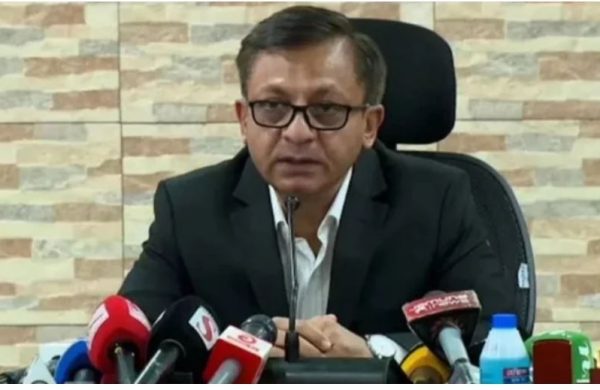
Allegations of code of conduct violations have already surfaced during campaigning for the thirteenth parliamentary polls. Political posters, banners, and festoons from various candidates remain widely visible nationwide despite the election schedule announcement; monitoring this falls to the Election Commission. A political party recently filed a formal complaint accusing the commission of inaction on this front. Akhtar Ahmed, the commission’s senior secretary from the 1982 batch, told journalists regarding fair election management, “As a servant of the republic, I prioritise my duty. I am fulfilling the responsibilities before me. From the Election Commission, I can only speak on electoral administration—ensuring code compliance within my domain. Returning officers are actively addressing this.”
When asked about public and political concerns over pre-election law and order, he said, “The home ministry can comment on law and order. Maintaining overall security and controlling the situation is their responsibility.”
The election schedule was declared on December 11. The next day, Sharif Osman Hadi—convener of the Inqilab Mancha and a potential independent candidate for Dhaka-8 constituency—was shot during campaigning, later dying in Singapore while receiving treatment. Simultaneously, several killings across districts and attacks on offices of two major newspapers have fuelled public anxiety. Against this backdrop, the interim government faces criticism over deteriorating law and order, raising doubts regarding its capacity to ensure law and order for the upcoming election.
The home ministry oversees national law and order. Its senior secretary, Nasimul Gani—another 1982 Bangladesh Civil Service administration cadre officer—remains unreachable by phone despite repeated attempts to discuss pre-election security concerns.
Returning and presiding officers directly manage polling and vote-counting procedures. This year, all 64 district commissioners plus the divisional commissioners of Dhaka and Chattogram serve as returning officers. Though appointed by the public administration ministry, these officials operate under Election Commission directives during polls. Recent controversy engulfed the ministry after it named three economic cadre officers with limited field experience as district commissioners. Several appointees previously faced scrutiny under the last government. Those officials now serve as returning officers. Public administration ministry’s secretary Md Ehsanul Haque, also from the 1982 administration cadre, did not respond to calls seeking comment.
Former cabinet secretary Muhammad Musharraf Hossain Bhuiyan told journalists, “The Election Commission holds supreme authority during elections. All officials and law enforcement agencies work under its instructions. The presiding officers, assistant presiding officers, and polling officers involved in the election process come from various ministries and departments. Although returning and assistant returning officers are administratively under the Public Administration Ministry, they answer directly to the Commission during polls. Their career evaluations, however, depend on public admin ministry and cabinet division, making inter-departmental cooperation vital.”
Badiul Alam Majumdar, secretary of Citizens for Good Governance (SHUJAN) and former head of the Electoral Reform Commission, warned, “Deteriorating law and order and controversial ministry actions since the schedule announcement will inevitably undermine the upcoming election if unchecked. The Commission possesses ample authority but must wield it; power unused or exercised without courage renders that authority meaningless. Ensuring a fair poll demands both management and administrative skills.”
The 1982 BCS recruitment notice appeared in May that year, with examinations running until mid-1983. Appointments followed between October 1983 and January 1984, forming the batch later dubbed “1982 regular cadre” after a special Public Service Commission exam that December. This 1982 batch was the last batch recruited in Bangladesh under the historic 1,600-mark British and Pakistani “Superior Service” model. Most of those recruited retired nearly a decade ago.
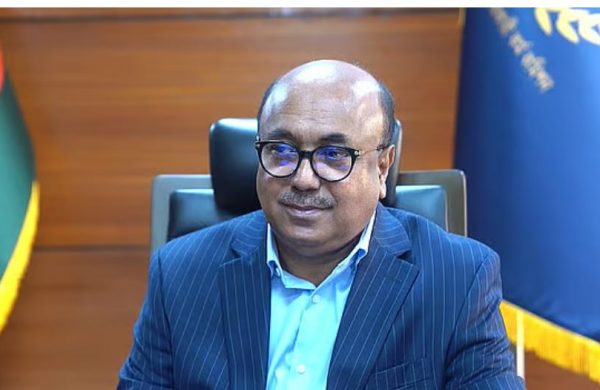
Cabinet Secretary Dr Sheikh Abdur Rashid told journalists, “The Election Commission does not assume total control upon schedule announcement. It oversees only election-specific matters. Routine government functions continue. The rest of the regular work of the government continues. The Election Commission is doing its part and the government has to continue its regular work. In the meantime, the home ministry looks after the work of maintaining order.”
Regarding public anxiety over security, he added, “Law and order doesn’t remain static; it has always been shaped by emerging situations. If an incident occurs, its impact is felt all around. We hope the situation is under control, and we are trying our best to maintain it.”



Editor & Publisher: Golam Mostafa Jibon
News & Commercial Office:
2 R. K Mission Road, Dhaka & Railgate, Sirajganj.
Hotline: 01715-319996, 01558-314179
E-mail : editor.thedailysky@gmail.com
news.thedailysky@gmail.com