

Asif Nazrul ‘solely decided’ against Bangladesh playing World Cup in India: Probe report
- Update Time : Tuesday, September 15, 2026

3-member panel says decision was not based on collective consultation; former sports adviser had earlier attributed it to BCB and players
Staff Reporter:
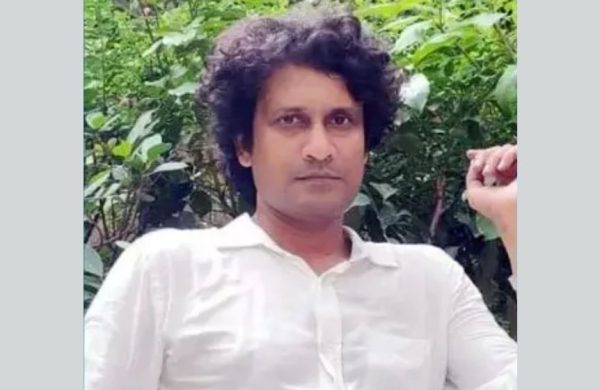
The decision not to send Bangladesh’s national cricket team to India for the T20 World Cup in February was taken solely by then Youth and Sports Adviser Prof Dr Asif Nazrul, according to a long-awaited investigation report.
The three-member probe committee said the decision was not made through collective consultation with relevant authorities. Rather, Asif Nazrul took the decision on his own and did not consider it necessary to seek the views of others, the report said.
The 22-page report was released on Tuesday (September 15), following a lengthy investigation ordered by Youth and Sports Minister Aminul Haque after the new government assumed office.
The committee was tasked with examining the circumstances behind Bangladesh’s decision not to participate in the World Cup, which was scheduled to be held in India.
Bangladesh were scheduled to play four group-stage matches in India—three in Kolkata and one in Mumbai. Citing security concerns, the Bangladesh Cricket Board (BCB) had requested the International Cricket Council (ICC) to change the venues.
After the ICC rejected the request, the government decided not to send the Bangladesh team to India. The BCB subsequently had to accept the government’s decision.
‘The decision taken by one person’
According to the investigation report, the decision not to send Bangladesh to the World Cup was not based on discussions or consultations among the relevant stakeholders.
Instead, the committee found that Asif Nazrul, who was responsible for sports affairs at the time, made the decision himself.
The report said that even during a meeting with the cricketers, Asif Nazrul merely informed them of his decision rather than seeking their views before making it.
The committee criticised the process, saying such an important decision should not be made at the discretion of a single individual.
“Such an important decision should not be taken at the will of a single person. It is necessary to discuss the matter in detail with all relevant authorities and make the decision keeping in mind the future of the cricketers and the expectations of millions of cricket fans in the country.”
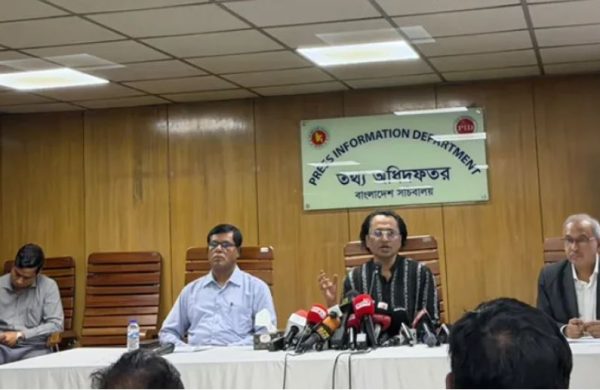
Asked to identify the person referred to in the report, committee member and Supreme Court lawyer Barrister Faisal Dostgir said the individual was Prof Dr Asif Nazrul, who was in charge of sports affairs at the time.
Contradictory statements
The investigation committee also pointed to what it described as inconsistencies in Asif Nazrul’s public statements regarding Bangladesh’s absence from the World Cup.
On January 22, Asif Nazrul had clearly said that the government had decided not to send the Bangladesh team to India because of security risks.
However, about three weeks later, on February 10, he appeared at an event at Dhaka University’s Central Physical Education Centre ground, where the BCB handed over a Tk 2 crore donation for the development of the ground.
Speaking at the event, Asif Nazrul said there was no reason for regret or questions over Bangladesh’s failure to participate in the World Cup. He attributed the decision to the players and the cricket board.
He said the players and the BCB had made the decision in the interest of the country’s cricket, the safety of the cricketers and Bangladesh’s dignity, describing it as an example of sacrifice.
The probe report, however, said his February statement differed from his earlier position that the government itself had decided against sending the team to India.
Security concerns and venue change
The controversy centred largely on security concerns surrounding Bangladesh’s participation in the tournament in India.
The BCB had approached the ICC seeking a change of venues for Bangladesh’s group-stage matches. The request was turned down, leaving the government to decide whether the team would travel to India under the existing arrangements.
The investigation committee has now concluded that the final decision was made without a broader consultation process.
Lessons for cricket administration
The committee said the episode had highlighted several important lessons for Bangladesh’s cricket administration.
It recommended a clearer administrative framework for major decisions, more effective diplomatic communication, better coordination among stakeholders and long-term planning.
The report also stressed that the interests of players must receive the highest priority when major decisions are made.
According to the committee, administrative or diplomatic considerations should not result in future generations of cricketers being deprived of opportunities to compete on the world’s biggest stages.
There may be differing opinions over Bangladesh’s decision not to participate in the World Cup, the committee observed. But for the long-term development of the country’s cricket, it said, an environment must be created in which administrative decisions do not unnecessarily jeopardise the international careers of cricketers.
The findings are likely to reignite debate over the decision that kept Bangladesh out of the tournament and, more broadly, over how major decisions concerning the national team should be made.






Editor & Publisher: Golam Mostafa Jibon
News & Commercial Office:
2 R. K Mission Road, Dhaka & Railgate, Sirajganj.
Hotline: 01715-319996, 01558-314179
E-mail : editor.thedailysky@gmail.com
news.thedailysky@gmail.com