

No way to throw away the road crash victims
- Update Time : Sunday, September 13, 2026
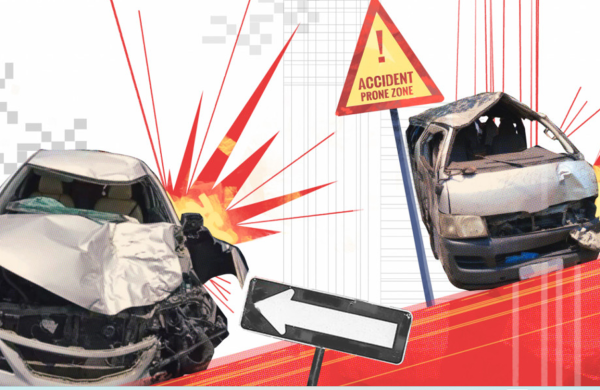
Draft Road Safety Act proposes mandatory emergency care at all medical facilities; govt to bear costs
TDS Desk:
In a bid to prevent road crash fatalities, all public and private hospitals will be legally obligated to provide immediate treatment to road crash victims without asking preliminary questions under the proposed “Road Safety Act, 2026”.
Drafted by the Road Transport and Highways Division, the law prohibits hospitals from refusing treatment or transferring critically injured patients without providing primary care. The government will bear the cost of emergency treatment, ensuring victims receive care during the crucial hours.
The division is preparing to send the draft to the cabinet for review, according to sources.
The draft complements existing laws, including the Road Transport Act, and proposes penalties for violations by government authorities, owners, drivers, related associations, and passengers. It also focuses on protecting women and children.
The proposed law also specifically provides for the treatment and post-treatment rehabilitation of road crash victims, which is not covered by existing laws.
TREATMENT FOR VICTIMS
The draft of the “Road Safety Act, 2026” requires the nearest hospital or clinic to provide primary treatment to crash victims and proposes punitive action against facilities that refuse or delay care.
“The immediate medical expenses of a person undergoing treatment following a road crash will be borne by the authorities of the hospital or clinic (public or private), and the government will reimburse the hospital for treatment costs,” it says.
There will be no unnecessary delay over registration, tickets or other formalities, and patients cannot be referred elsewhere without treatment due to a lack of manpower or medical equipment.
Currently, no law penalises hospitals or facilities for refusing to treat road crash victims. As a result, critically injured patients are often turned away by private hospitals and referred to government facilities.
The draft proposes response teams at district and upazila levels to take victims to the nearest facility as quickly as possible. The teams will be linked with local administrations and the 999 emergency helpline to receive crash reports immediately.
Hospitals will also have patient welfare funds to provide destitute, impoverished, widowed, abandoned and disabled patients with medicines, treatment, diagnostic tests and surgery free of cost during their hospital stay.
Once the law is finalised, the government will introduce the New Car Assessment Programme.
Under the proposed law, an expert committee will provide buyers with information on locally manufactured or imported vehicles, their source companies, the companies’ standards and their standing in the global market to help them choose safer vehicles.
The draft proposes up to one year’s simple imprisonment, a fine, or both for bullying or harassing women on public transport, obstructing them while boarding or getting off, or engaging in sexually suggestive behaviour.
While existing road transport laws and regulations mainly place liability on owners, drivers and transport workers, the proposed act also emphasises passengers’ compliance with rules.
Pedestrians could face a fine of up to Tk 1,000 for disrupting traffic by walking on roads instead of using designated footpaths or crossings.
A similar fine is proposed for passengers who board vehicles dangerously, encourage drivers to speed, talk to drivers, speak loudly or sing in ways that distract them, or fail to follow designated seating rules.
The proposed law provides for a statutory body titled “National Road Safety Authority” to take decisions on road safety in coordination with stakeholders and other government agencies.
Following the internationally recognised “Safety System Approach”, it will formulate and implement national road safety and strategic action plans.
It will collect, analyse and research crash data, publish the findings, notify relevant organisations and take preventive measures based on the research. It will also coordinate plans to reduce road crash losses and rehabilitate victims.






Editor & Publisher: Golam Mostafa Jibon
News & Commercial Office:
2 R. K Mission Road, Dhaka & Railgate, Sirajganj.
Hotline: 01715-319996, 01558-314179
E-mail : editor.thedailysky@gmail.com
news.thedailysky@gmail.com