

Prison deaths mount amid medical crisis
- Update Time : Thursday, January 29, 2026

TDS Desk:
The prison system of the country is facing a deepening healthcare crisis, with a severe shortage of doctors, limited emergency facilities, and mounting allegations of medical negligence contributing to a steady rise in inmate deaths. Across the country’s 74 prisons, medical care for detainees remains dangerously inadequate, particularly after office hours, human rights activists and families of deceased prisoners say.
Prisons are overcrowded, holding several times more inmates than their official capacity. When prisoners fall ill, treatment options are extremely limited. Although prison hospitals have 141 sanctioned posts for doctors, only two physicians are currently in full-time service nationwide. In most prisons, medical care is limited to daytime visits by one or two doctors deputed from local Civil Surgeon offices, leaving evenings and nights without physician cover.
According to prison officials, basic treatment is available from morning until late afternoon. After sunset, however, inmates rely largely on diploma nurses and pharmacists, who consult doctors over the phone when emergencies arise. For critically ill prisoners, this delay often proves fatal, relatives and rights groups allege.
Ambulance shortages compound the problem. Of the 74 prisons, only 27 have ambulances, and no new vehicles have been purchased since 2019. In prisons without ambulances, hired vehicles are used to transport sick inmates to hospitals, often causing further delays.
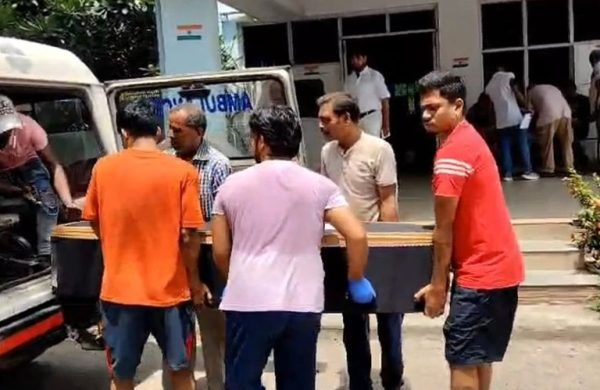
Human rights activists argue that these systemic weaknesses mean many inmates die slowly while in state custody. Families of deceased prisoners allege that deaths are frequently recorded only after inmates are rushed to hospitals in critical condition, where doctors formally declare them dead.
Prison authorities acknowledge the staffing crisis but say it stems from bureaucratic and recruitment hurdles. Inspector General of Prisons Brigadier General Syed Md Motaher Hossain told journalists that the Directorate General of Health Services has been unable to supply doctors, either through permanent recruitment or deputation, due to staffing shortages of its own.
He said that in the event of heart attacks or severe complications, prisoners sometimes die before reaching hospitals, a reality he described as unavoidable under current conditions. He added that every death in custody is formally investigated.
Md Jannat-ul-Farhad, spokesperson of Department of Prisons under Home Ministry, said the doctor shortage has persisted for more than a decade. Of the 74 prisons, only Manikganj Jail and the Rajshahi Training Centre have doctors on duty around the clock. In the remaining 72 facilities, visiting doctors provide primary care twice daily under a High Court directive issued in 2023.
According to prison officials, 104 inmates suffering from complex illnesses are currently receiving treatment outside prisons. These prisoners are being treated at government hospitals including Dhaka Medical College Hospital, Bangladesh Medical University, Shaheed Suhrawardy Medical College Hospital, Sir Salimullah Medical College Hospital, and Shaheed Tajuddin Ahmad Medical College Hospital. Many suffer from heart disease, kidney failure, diabetes, and other chronic conditions.
Allegations of corruption within the prison medical referral system have also surfaced. Nur Khan Liton, a member of the Commission of Inquiry on Enforced Disappearances and a human rights activist, said prisoners are entirely dependent on the state for healthcare and must be treated with dignity.
He alleged that some inmates misuse medical referrals to live comfortably in hospital cabins outside prison, while genuinely critical patients die due to delays in decision-making, especially at night. He called for urgent transfers of seriously ill inmates to specialised hospitals and stressed the need for compassionate recruitment policies to resolve the doctor shortage.
Dr Md Abu Jafor, the director general of Directorate General of Health Services, said doctors are provided to prisons upon request from prison authorities. He acknowledged that several meetings had been held on the issue without resolution. Addressing allegations of misuse of medical referrals, he said any specific complaint would be investigated.
Official data shows a fluctuating but consistently high number of deaths in custody. In 2025, 172 prisoners died, while 15,208 inmates received medical treatment. In 2024, 120 inmates died, with 14,864 receiving treatments. In 2023, there were 155 deaths and 13,801 treated cases. In 2022, deaths peaked at 185, while 14,286 prisoners received medical care.
Suicide figures remain comparatively low but persistent. In 2025, six inmates died by suicide. Three male inmates died by suicide in 2024. Two suicides were recorded in 2023, four in 2022, and four male inmates in 2021.
Several high-profile deaths have drawn public attention. Former industries minister Nurul Majid Mahmud Humayun died at Dhaka Medical College Hospital in September last year while undergoing treatment as a prisoner. In Savar, local Awami League leader Abdur Razzak and Jubo League leader Ataur Rahman died in custody within the past year. Former Birulia Union chairman Saidur Rahman Sujan was reported by authorities to have died by suicide in jail.
On 5 December last year, Ujjal Bishwas, a member of Jubo Dal, was declared dead after being transferred from Jashore Central Jail to Jashore Medical College Hospital. In Tangail, Sultan Mia, an Awami League leader from Mirzapur, died while undergoing treatment after complaining of chest pain in jail.
Similar deaths include former Mirpur ward commissioner Md Murad Hossain, who died after being taken from Dhaka Central Jail to Dhaka Medical College Hospital, and Bogura Awami League leaders Abdul Matin Mithu and Shahadat Alam Jhunu, both of whom died in custody in late 2024.
In January this year, Pabna district Awami League cultural affairs secretary Prolay Chaki died in jail after suffering from multiple chronic illnesses. Labourer Omar Faruk, jailed following a mobile court sentence in Rajshahi’s Bagmara, also died after falling ill in custody.


Editor & Publisher: Golam Mostafa Jibon
News & Commercial Office:
2 R. K Mission Road, Dhaka & Railgate, Sirajganj.
Hotline: 01715-319996, 01558-314179
E-mail : editor.thedailysky@gmail.com
news.thedailysky@gmail.com