

Middle East conflict hits Bangladesh’s fuel-dependent livelihoods
- Update Time : Sunday, April 19, 2026
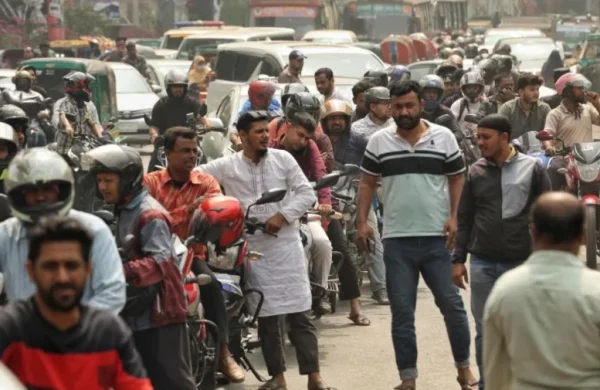
Ride sharers, bike mechanics & sellers facing hardship
TDS Desk:
The ongoing tensions involving Iran, Israel and the United States in the Middle East have triggered volatility in global oil markets, pushing fuel prices higher and disrupting livelihoods in Bangladesh’s transport-dependent sectors.
From ride-sharing drivers in Dhaka to motorcycle mechanics and spare-parts traders in district towns such as Jessore, Comilla, Bogura and Gaibandha, the ripple effects of rising fuel costs and supply shortages are becoming increasingly visible.
Industry insiders warn that if the situation persists, the combined pressure of higher fuel costs and reduced mobility could significantly impact small businesses and informal workers across the country.
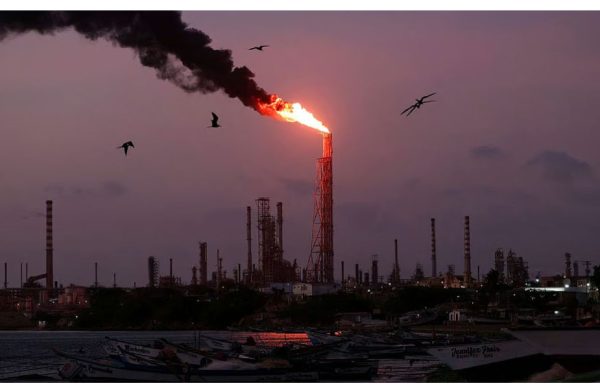
The ongoing Middle East conflict has heightened concerns over global oil supply disruptions. According to a recent report by international energy research firm Rystad Energy, damage to energy infrastructure across the region could exceed $58 billion, with oil and gas facilities accounting for nearly $50 billion of the losses.
The report notes that refinery and petrochemical installations have suffered the most extensive damage, while reconstruction costs in sectors such as power, water treatment and industrial operations could add $3 billion to $8 billion to the overall recovery expenses.
Iran’s gas processing and refining infrastructure is among the hardest hit, with rebuilding costs estimated at up to $19 billion.
For import-dependent countries like Bangladesh, such global supply disruptions often translate into higher domestic fuel prices and increased economic pressure.
Reflecting global price movements, Bangladesh recently revised fuel prices, setting diesel at Tk115 per litre, kerosene at Tk130, petrol at Tk135 and octane at Tk140.
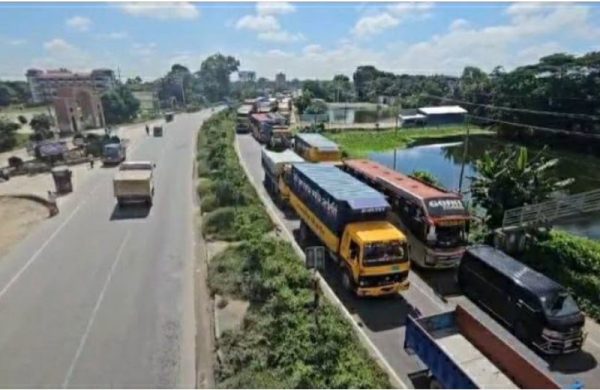
Despite the price increase, fuel shortages and rationing continue in several areas. Visits to filling stations in Dhaka’s Asad Gate and Paribagh areas revealed long queues of motorcyclists and private car drivers waiting hours to purchase fuel.
Many drivers reported standing in line overnight, only to receive limited quantities of fuel.
Consumers fear that rising fuel costs will not only affect transportation but also increase agricultural expenses, freight costs and the prices of daily essentials.
Ride-sharing drivers working with platforms such as Uber and Pathao say rising fuel costs and declining ride demand have significantly reduced their earnings.
Rashed, an Uber motorcycle driver in Mirpur, said he now receives fewer ride requests than before.
“Earlier, I used to complete 18 to 20 rides a day. Now it is often limited to 12 or 13. Fuel costs have increased by Tk200 to Tk300 per day, leaving very little profit at the end of the day,” he said.
Pathao driver Shahin Alam reported similar challenges.
“I used to earn Tk1,200 to Tk1,400 per day. Nowadays, I cannot earn more than Tk800 to Tk900. Fuel costs are eating into our income,” he said.
Car-based ride-sharing drivers are also under pressure. Imran Hossain, who operates a ride-sharing vehicle in Banani, said his daily earnings have declined sharply.
“Previously, I earned Tk2,500 to Tk3,000 per day. Now it often drops to Tk1,800 to Tk2,000. From that amount, I still have to pay fuel expenses, platform commissions, and vehicle installments,” he explained.
Several drivers in Uttara reported that their monthly income has dropped by 20% to 30% compared to previous months.
The fuel crisis has also affected motorcycle repair workshops across several districts, where mechanics say fewer bikes on the road have translated into fewer repair jobs.
Regarding these issues in Jessore town, many workshops that once operated at full capacity now remain largely idle throughout the day.
Rubel Hossain, a motorcycle mechanic, said the drop in customer visits has been drastic.
“Earlier, we handled 10 to 15 motorcycles daily. Now we get only two or three. It has become very difficult to support our families,” he said.
Mehedi Hasan, another mechanic, said most of his time is now spent waiting for customers.
“We sit idle for hours. Income has dropped significantly, and managing household expenses is becoming difficult,” he added.
Shafiqul Islam, a workshop owner in Jessore, said daily earnings are no longer enough to cover shop expenses.
“Sometimes we cannot even recover our daily operating costs,” he said.
Motorcycle spare-parts traders in Comilla and Bogura also reported a sharp decline in sales.
Mohammad Mohin, a trader in Comilla, said customer visits have fallen significantly.
“Earlier, we had steady sales every day. Now we spend most of the day waiting for customers. It has become difficult to pay rent and maintain inventory,” he said.
Talha Zobayer, a trader in Bogura, echoed similar concerns.
“Sales have dropped sharply, but expenses such as rent and salaries remain unchanged. If the crisis continues, sustaining the business will be difficult,” he said.
Fuel shortages have also disrupted daily routines for workers who depend on motorcycles for their jobs.
Tanvir Hasan, a Dhaka-based private company employee, said he requires regular motorcycle travel to meet work targets.
“I need to ride nearly 60 kilometres daily. But after standing in line for seven to eight hours, the fuel I get lasts only two days. I am worried about meeting my work targets,” he said.
Ujjal Hasan, a field officer for a private company, said fuel collection itself has become a major daily task.
“Sometimes it feels like the day ends just waiting for fuel instead of working,” he said.
Thousands of mechanics, drivers, and small business owners are directly linked to the motorcycle and ride-sharing sectors. Reduced mobility means reduced business for many supporting industries, including repair workshops, parts retailers, and delivery services.




Editor & Publisher: Golam Mostafa Jibon
News & Commercial Office:
2 R. K Mission Road, Dhaka & Railgate, Sirajganj.
Hotline: 01715-319996, 01558-314179
E-mail : editor.thedailysky@gmail.com
news.thedailysky@gmail.com